
Start here
The guides Fargo-Moorhead homeowners look up most.
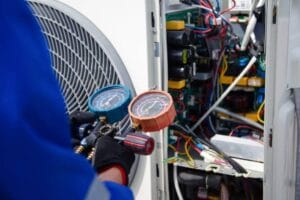 Air conditioning
How to Test Your Air Conditioner
Six easy checks, including the 15 to 20 degree temperature split, and what an AC inspection covers.
Read the guide →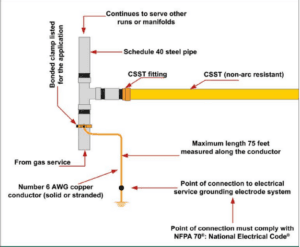 Gas lines
CSST Bonding: Is Your Gas Line Done Right?
What CSST gas line is, why it needs bonding, and how to spot the bonding wire and clamp.
Read the guide →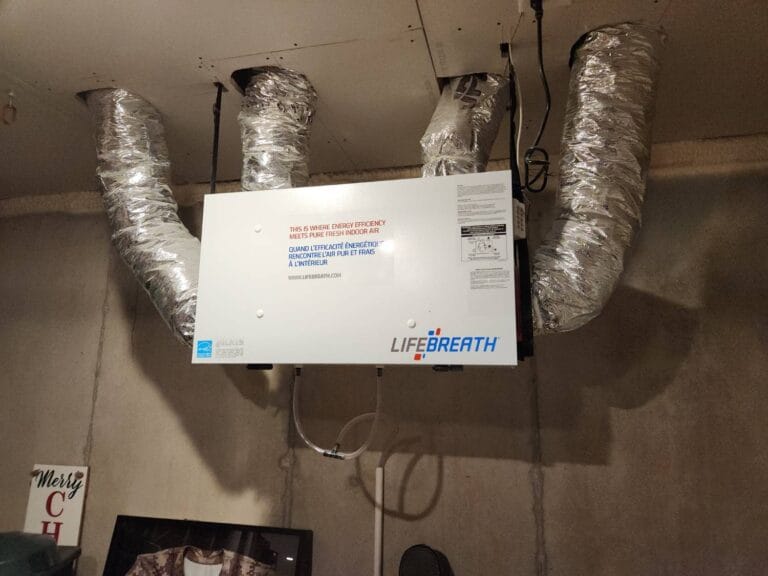 Ventilation
How to Clean an HRV
A simple filter, core and drain schedule that keeps fresh air flowing and windows dry.
Read the guide →Keep the heat on all winter
Service, life expectancy, safety switches and more.
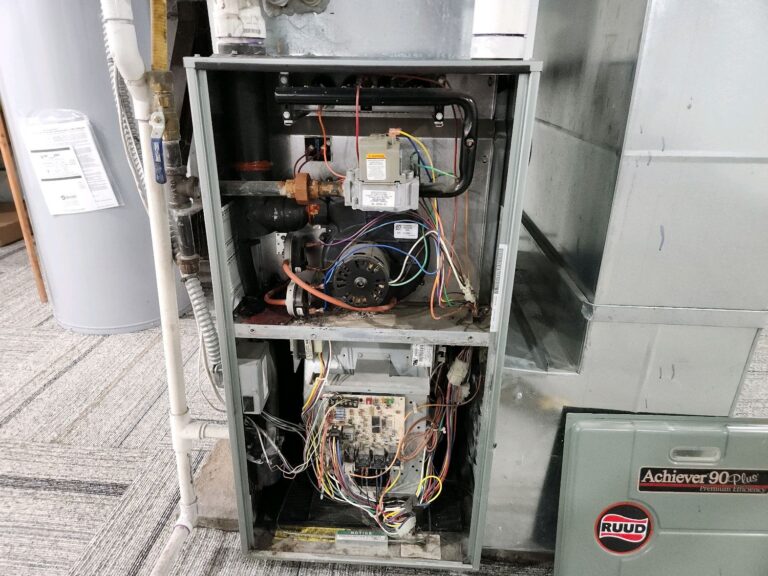
Furnace Life Expectancy
How many years a furnace usually lasts, and the signs it is time to budget for a new one.
Read more →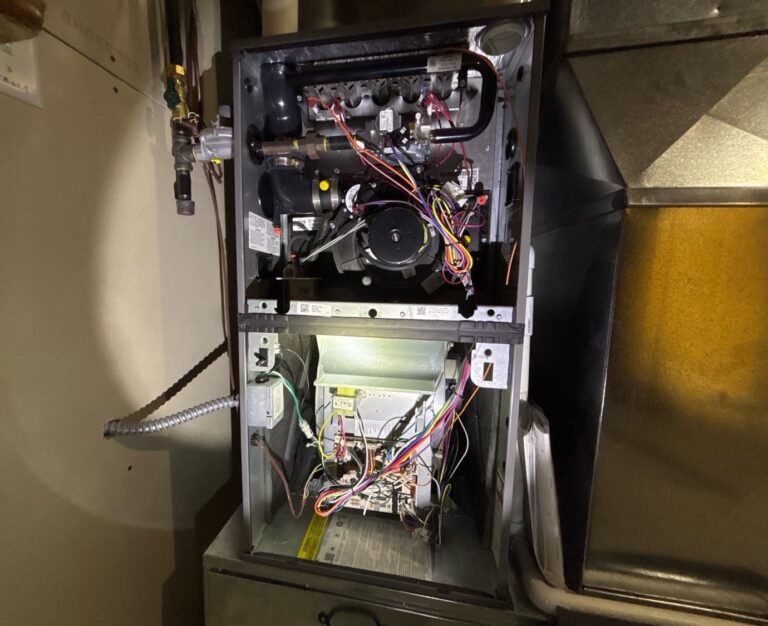
Annual Furnace Service
What a yearly tune-up covers and why it is worth doing before winter.
Read more →
DIY Health Check for Your Furnace
Simple checks you can do yourself to keep your furnace running safely.
Read more →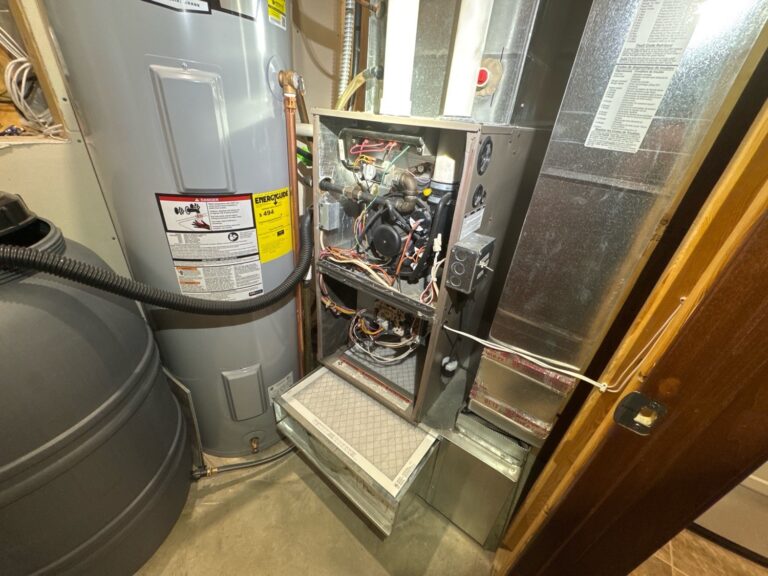
Furnace Disconnect Switch
What the shut-off switch is, where to find it, and why it matters.
Read more →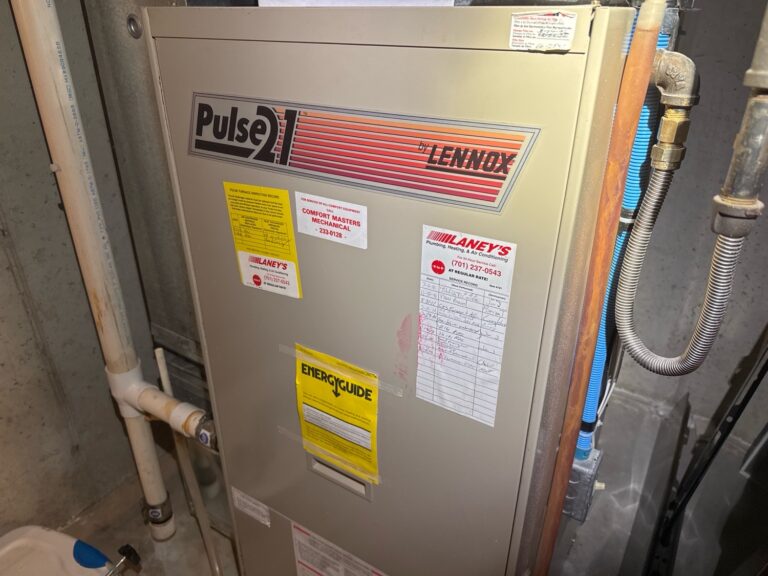
Lennox Pulse Furnace
Why older Lennox Pulse furnaces need a heat exchanger pressure test.
Read more →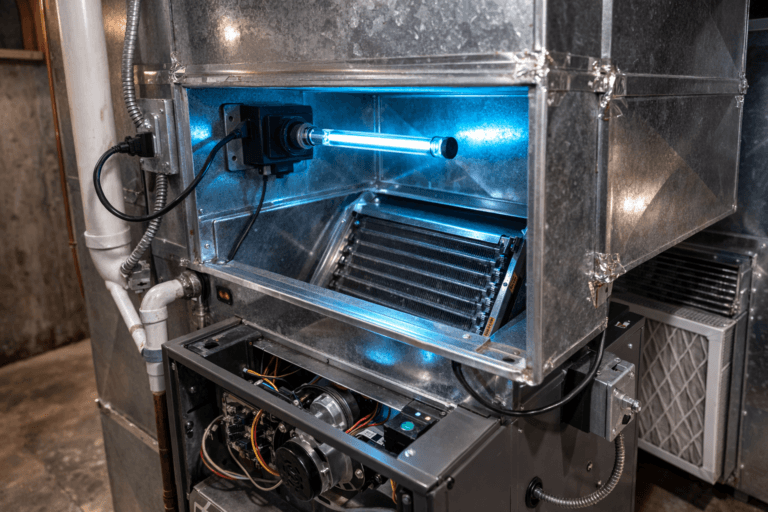
UV Lights in Furnace Return Ducts
What UV lights in the return duct can and cannot do for your air.
Read more →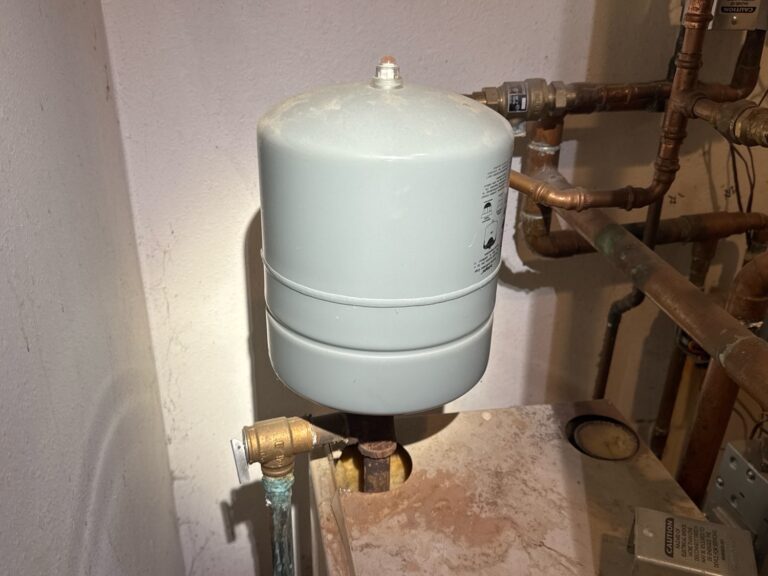
Boiler Expansion Tanks and Baseboard Fins
Common hot water boiler problems and how to care for baseboard fins.
Read more →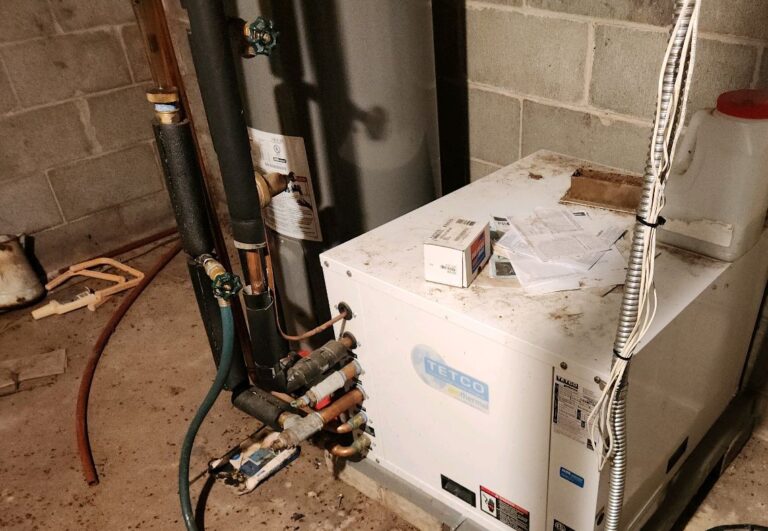
Geothermal Heat Pumps
How geothermal heat pumps work and what to check on one.
Read more →Stay cool when summer hits
Testing, maintenance and how long an AC lasts.
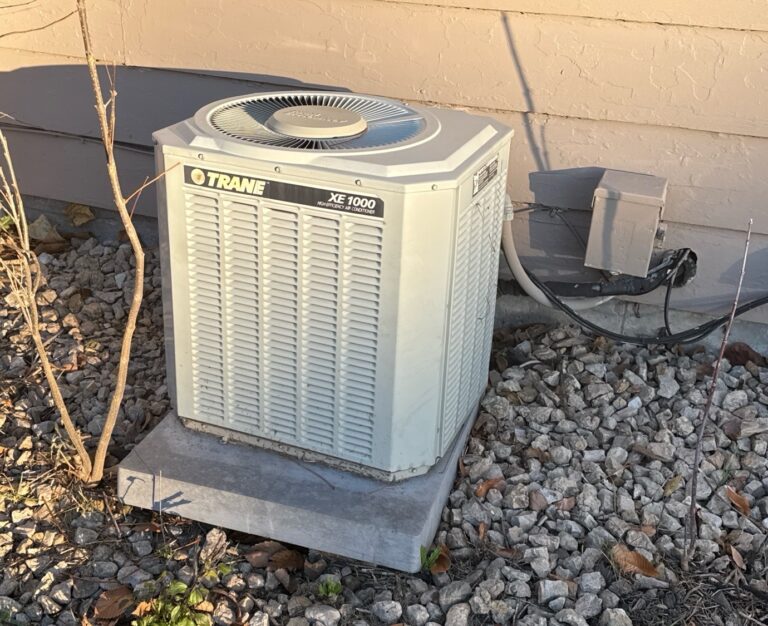
AC Life Expectancy
How long a central air conditioner lasts and how to plan for replacement.
Read more →How to Test Your Air Conditioner
Easy ways to test your AC at home, including the temperature split check.
Read more →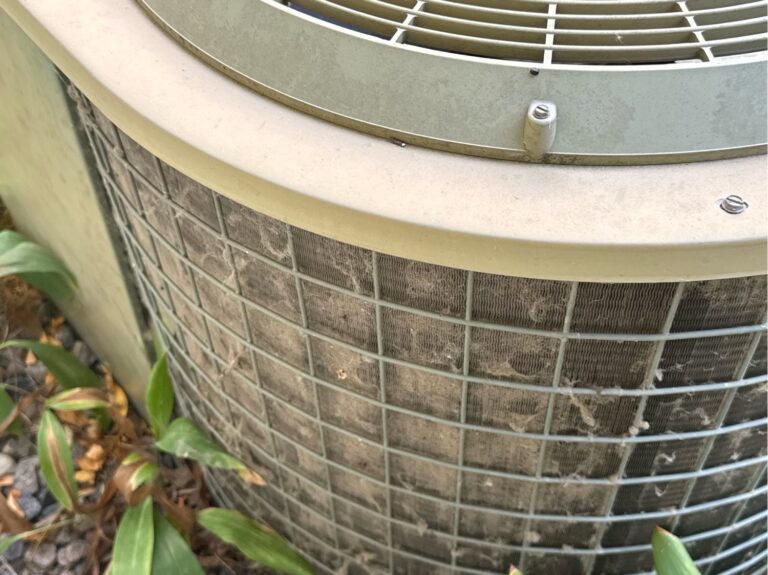
AC Condenser Maintenance
Dirty coils, damaged line insulation and ice on the lines: what they mean.
Read more →
Get Your AC Ready for Summer
Spring steps to get your air conditioner ready for the cooling season.
Read more →
Starting Your AC in the Fall
What to think about before running your AC on a cool fall day.
Read more →Fresh, healthy air inside
HRVs, ERVs, filters and ductwork.
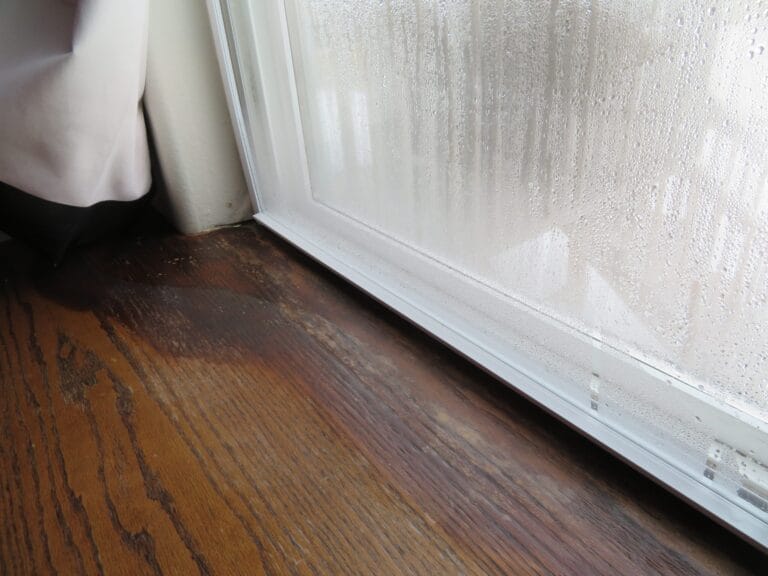
HRV and ERV Maintenance
How HRVs and ERVs work, and why a neglected one can mean wet windows in winter.
Read more →How to Clean an HRV
A step-by-step HRV cleaning and maintenance schedule.
Read more →Furnace Air Filters
Choosing and changing furnace air filters, and what MERV ratings mean.
Read more →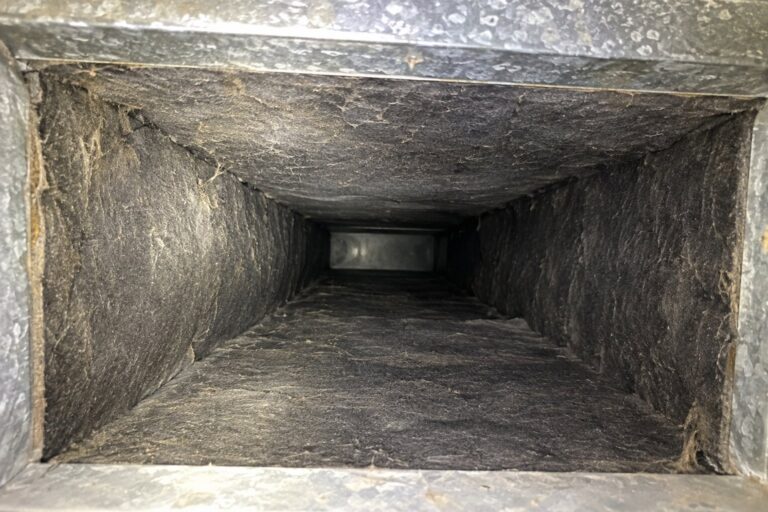
Fiberglass-Lined Ductwork
Fiberglass-lined ductwork in older homes: what it is and what to watch for.
Read more →
Wildfire Smoke: 6 Steps for Your Home
How to keep smoke out of your home on bad air days.
Read more →Hot water you can count on
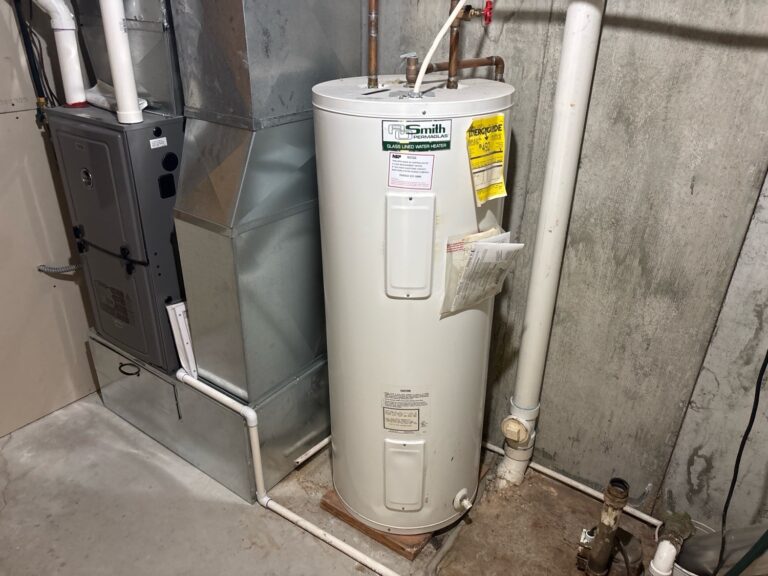
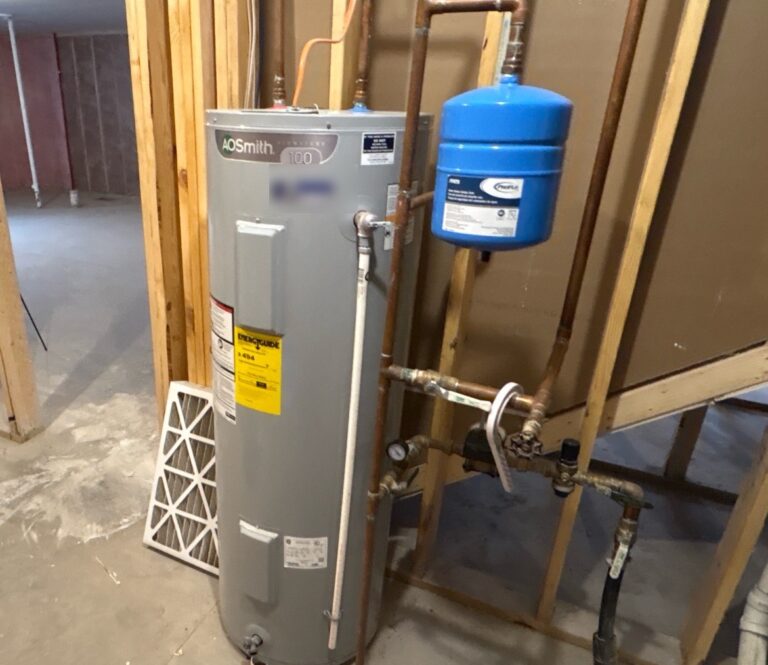
How long they last and what odd smells mean.
Safe gas lines and venting
Bonding, clearances, leaks and chimney repair.
CSST Bonding
What CSST gas line is and how to tell if it is bonded correctly.
Read more →
Gas Meter Leaks
Why gas meter leaks are common in our area and what to do if you smell gas.
Read more →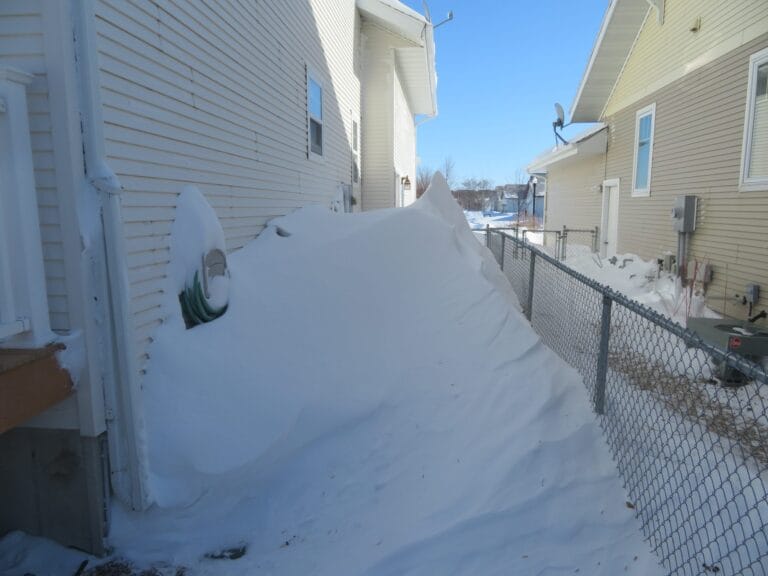
Gas Meter Clearance
Keeping your gas meter clear of snow, shrubs and soil.
Read more →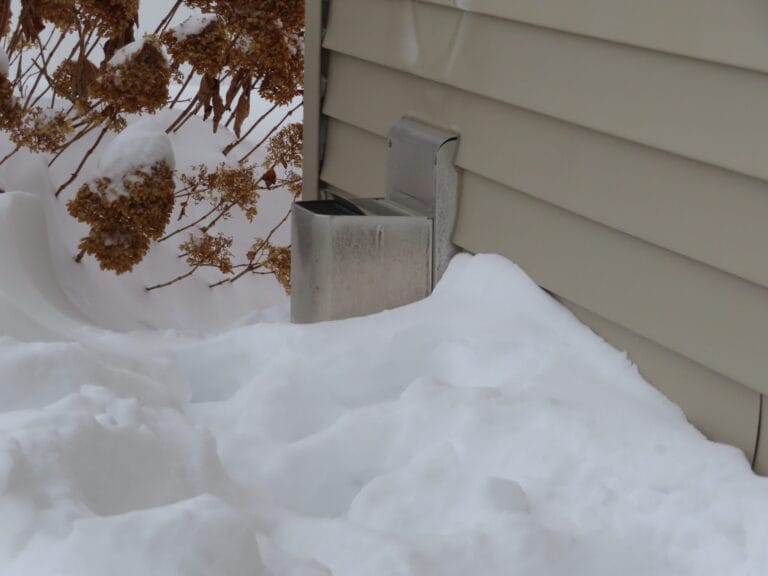
Gas Fireplace Vent Clearances
Required clearances from gas fireplace vents to windows, doors and decks.
Read more →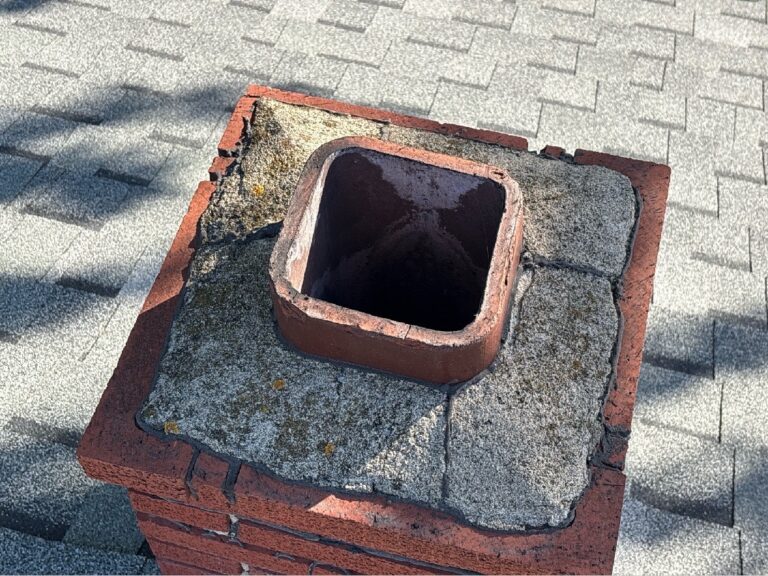
Chimney Repair
Common chimney problems in Fargo-Moorhead homes and how they are repaired.
Read more →