

The Red River Valley has some of the most challenging soil conditions for foundations in the region. Homeowners in Fargo ND and surrounding North Dakota and Minnesota communities often notice foundation cracks, floor movement, or doors that stick seasonally. In many cases, the soil beneath the home plays a major role.
Understanding how clay soils behave helps explain why foundation movement is common in this area and what homeowners can realistically expect.
What Makes Clay Soils Different
Clay soils are made up of very fine particles that hold water easily. Unlike sandy soils, clay expands when it absorbs moisture and shrinks as it dries out.
This expansion and contraction happens slowly and repeatedly over time. In the Red River Valley, seasonal moisture changes can be significant, which places ongoing stress on foundations.
Why Clay Soils Are Common in the Red River Valley
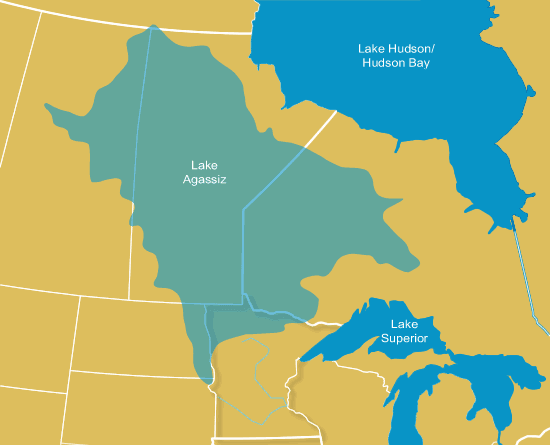
The Red River Valley was once the bed of ancient Lake Agassiz. As the lake receded, it left behind deep deposits of fine clay.
These soils are:
- Dense and slow draining
- Highly affected by moisture changes
- Prone to expansion when wet
- Prone to shrinkage when dry
This soil profile exists across Fargo ND and much of eastern North Dakota and western Minnesota.
How Clay Soils Affect Foundations
As clay soil absorbs water, it expands and pushes against foundation walls and slabs. When it dries out, it shrinks and pulls away.
Over time, this movement can lead to:
- Cracking in foundation walls or floor slabs
- Minor wall displacement
- Uneven floors
- Doors or windows that stick or go out of alignment
Movement does not always happen evenly. One side of the home may be wetter than another, leading to differential movement.
Seasonal Moisture Plays a Major Role
In this region, moisture levels around the foundation change throughout the year.
Spring snow melt, summer rainfall, and dry periods all affect soil moisture. Winter frost can also change how moisture is distributed around the foundation.
These cycles explain why some foundation cracks appear to change slightly with the seasons.
Drainage Makes a Big Difference
While clay soils cannot be changed easily, how water is managed around the home can be.
Proper drainage helps reduce moisture swings near the foundation.
Key drainage considerations include:
- Soil sloping away from foundation walls
- Downspouts discharging well away from the home
- Window wells draining properly
- Avoiding ponding water near the foundation
Good drainage does not eliminate movement, but it can help limit extremes.
What Is Normal and What Deserves Attention
Not all foundation cracks are a structural problem. Many are cosmetic or the result of normal soil movement.
An inspection looks for patterns such as:
- Crack width and direction
- Signs of ongoing movement
- Wall bowing or displacement
- Water intrusion related to cracks
Understanding context is more important than focusing on a single crack.
Older Homes and Clay Soils
Many older homes in Fargo ND were built before modern soil preparation techniques were common. As a result, they may show more evidence of movement.
This does not mean the home is unsafe. It means the foundation has adapted to the soil conditions over time.
How a Home Inspection Helps
A home inspection cannot stop soil movement, but it can help homeowners and buyers understand how a foundation is responding to clay soils.
An inspector provides perspective on whether conditions appear typical for the area or whether further evaluation may be helpful.
Final Thoughts
Clay soils are a defining feature of the Red River Valley. Foundation movement is common, but it is often manageable and predictable when moisture is controlled.
Understanding how clay soils affect foundations helps homeowners focus on practical maintenance rather than unnecessary worry.
If you are buying or maintaining a home in Fargo ND or the surrounding area and have questions about foundation movement or drainage, Nordic Inspections is always available to provide clear, locally informed guidance. Call us at 701.566.1446 ext 0!