

Many homeowners are updating older homes to improve comfort and energy efficiency. New windows, added insulation, and air sealing upgrades can make a home feel warmer during winter and reduce heating costs.
But during inspections we are seeing a pattern in many older houses.
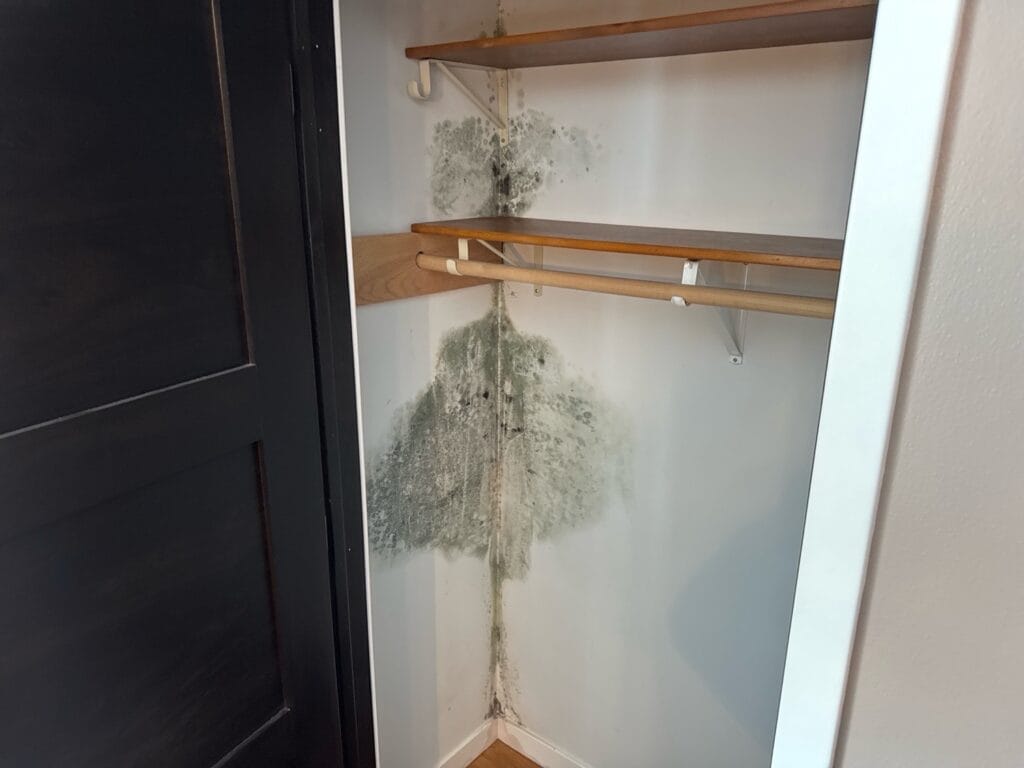
After these improvements are completed, homeowners sometimes begin noticing condensation, humidity issues, or even mold growth that never seemed to exist before.
This can be confusing. The house may have functioned well for decades, then moisture problems suddenly appear after upgrades.
In many cases the explanation is not poor workmanship or a defect in the home. It is often the result of how older homes were originally designed to manage air and moisture.
Understanding how these homes work can help explain why mold or condensation sometimes appears after energy improvements.
Why Older Homes Were Designed to Breathe
Homes built in the 1940s, 1950s, and 1960s were not designed to be airtight.
In fact, many of them allow significant air movement through small openings around windows, siding, framing, and attic penetrations.
From an energy standpoint this is inefficient. Warm air escapes during winter and cold air can enter the home.
However, this air movement created a side effect that helped control moisture.
Air leaking through the home naturally carried moisture out of the structure.
Everyday activities such as cooking, showers, laundry, and even breathing add moisture to indoor air. In older homes that moisture often escaped through natural air leakage.
This is one reason many older homes operated for decades without obvious mold issues.
How Insulation and Air Sealing Change How Older Homes Handle Moisture
Modern energy upgrades often focus on making homes tighter and better insulated.
Common improvements include:
• Adding insulation in the attic
• Sealing rim joists
• Installing new siding and house wrap
• Replacing older windows
• Air sealing with spray foam or sealants
These improvements are generally beneficial. They reduce energy loss and improve comfort, especially during cold winters in Fargo and the surrounding region.
However, these changes also reduce the natural airflow that older homes once relied on.
When a home becomes tighter, the amount of fresh air entering and leaving the home decreases.
Moisture that once escaped easily may now stay inside longer.
Why Tighter Homes Can Develop Condensation and Mold Problems
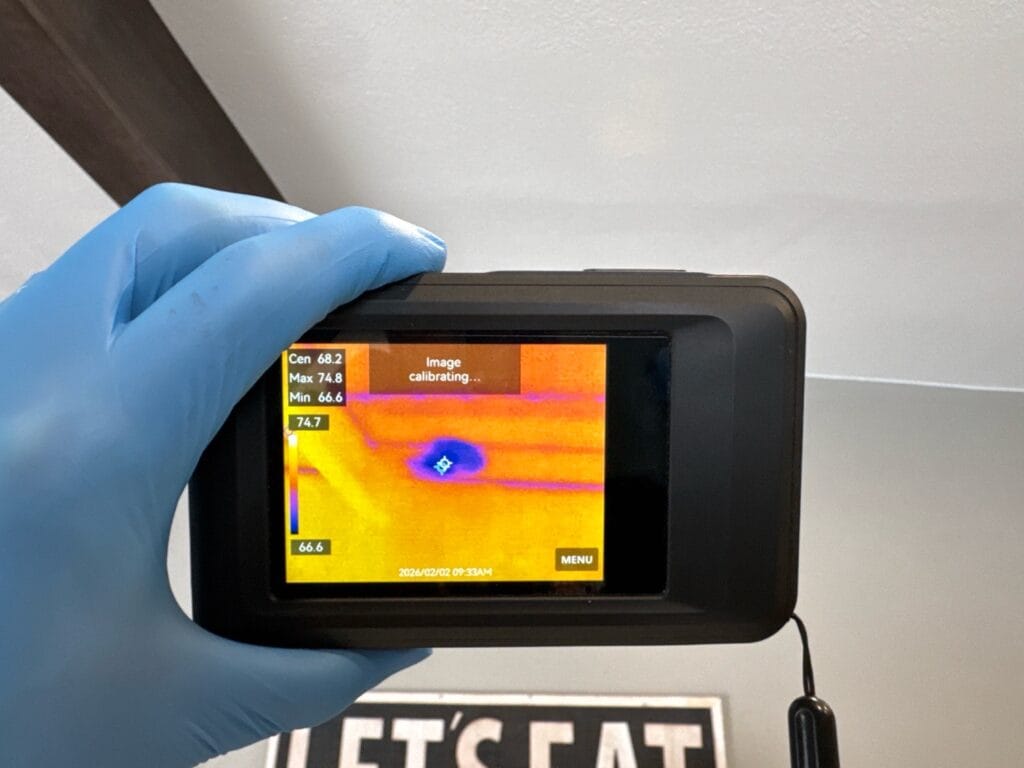
Moisture is always present inside homes.
Normal daily activities such as cooking, showering, laundry, and even houseplants add humidity to indoor air.
In older homes with natural air leakage, much of this moisture escaped through the building envelope.
When those homes are sealed and insulated, that natural drying process is reduced.
Without adequate ventilation, indoor humidity levels may begin to rise.
Homeowners may start noticing signs such as:
• Condensation forming on windows
• Frost developing in attics during winter
• Musty smells in basements
• Mold appearing on stored items or surfaces
To the homeowner this may feel like a new problem, even though the underlying moisture conditions may have been present for many years.
Why Attic Mold Can Appear After Insulation Upgrades
Attics are one of the most common places where moisture issues appear after energy upgrades.
When insulation is added to an attic, less heat escapes from the home into the attic space. This improves energy efficiency and reduces heat loss during winter.
However, it also changes how moisture behaves.
Warm indoor air naturally carries moisture. If that air leaks into the attic and ventilation is limited, the moisture can accumulate on cold surfaces.
During cold Fargo winters, this moisture may freeze on the underside of roof sheathing.
When temperatures rise, the frost melts and can leave surfaces damp for extended periods. Over time this can create conditions where mold begins to develop.
Why Basements in Older Homes Can Develop Mold After Renovations
Basements are another area where moisture changes can become noticeable.
Many older homes allow small amounts of moisture to move through foundation walls or basement slabs. In areas with clay soils and seasonal moisture changes, this is not uncommon.
In the past, the natural airflow in older homes often helped dry this moisture before it caused problems.
When the home becomes tighter after renovations, that drying effect may decrease.
As humidity levels rise, homeowners may begin noticing mold on cardboard boxes, wood framing, or stored belongings.
In many cases the moisture source existed before, but the home no longer dries the same way it once did.
Why Mold Sometimes Appears After Replacing Windows
Window replacement is another upgrade that can change how moisture behaves inside a home.
Older windows allowed small amounts of air leakage. While this reduced efficiency, it also allowed moisture to escape.
Modern windows seal much more tightly.
If indoor humidity levels remain high, condensation may begin forming on window glass or nearby surfaces.
This is especially common during cold weather when indoor air contains more moisture than cold outdoor air.
Signs Your Home May Have a Moisture Balance Problem
Many moisture issues develop gradually. Homeowners often notice small changes before larger problems appear.
Some common signs include:
• Condensation on windows during winter
• Frost inside attic spaces
• Musty odors in basements or closets
• Mold on stored items
• Damp insulation in attic areas
These conditions often indicate that the home is holding more moisture than it can effectively release.
Why Ventilation Matters When Improving Energy Efficiency
Energy efficiency improvements are generally beneficial and can make homes more comfortable.
However, homes function as complete systems. When one part of the system changes, other parts of the home may also need adjustments.
As homes become tighter, proper ventilation becomes more important.
Ventilation helps remove excess humidity and maintain balanced indoor air conditions.
Depending on the home, this may include:
• Improving attic ventilation
• Managing indoor humidity levels
• Addressing exterior drainage around the foundation
• Using controlled mechanical ventilation where appropriate
When these factors are considered together, older homes can be upgraded successfully without creating unintended moisture problems.
Final Thoughts for Fargo Area Homeowners
Homes in Fargo and the surrounding region experience long winters and large temperature differences between indoor and outdoor air. Because of this, moisture control and ventilation play an important role in how homes perform.
Many condensation and mold issues we see today are not caused by poorly built homes. Instead, they often occur when older homes are tightened for energy efficiency without adjusting how the home manages airflow and humidity.
With thoughtful planning and proper ventilation, older homes can be improved while maintaining healthy indoor conditions.
If you have concerns about attic mold, condensation, or moisture in an older home, a professional home inspection can help identify how the home is managing airflow and humidity. Nordic Inspections works with homeowners and buyers throughout Fargo and nearby communities to help them better understand how their homes function.