

Drywall cracks, nail pops and poor tape joints are some of the most common things we find inside Fargo-Moorhead homes, and most of them are cosmetic. The short answer: hairline cracks, popped fasteners and seams that show are usually caused by framing that dries and shrinks or by seasonal movement, and a drywall finisher or a handy homeowner can repair them. Cracks that keep growing, come back right after repair, or show up with sticking doors and sloping floors deserve a closer look at the structure.
Why drywall cracks: settling, shrinkage and seasonal movement
A house is always moving a little. Lumber is installed with some moisture in it and shrinks as it dries. Canada Mortgage and Housing Corporation (CMHC) notes that a 10 percent change in moisture content can shrink a spruce or fir stud by up to 1/4 inch. When the framing shrinks away from the drywall, fasteners loosen and joints crack.
Our climate adds to it. Dry, heated winter air and humid summers make wood shrink and swell every year, and the expansive clay soils in the Red River Valley can move foundations, as we explain in how clay soils affect foundations.
Common cracks: where drywall cracks show up and what they mean
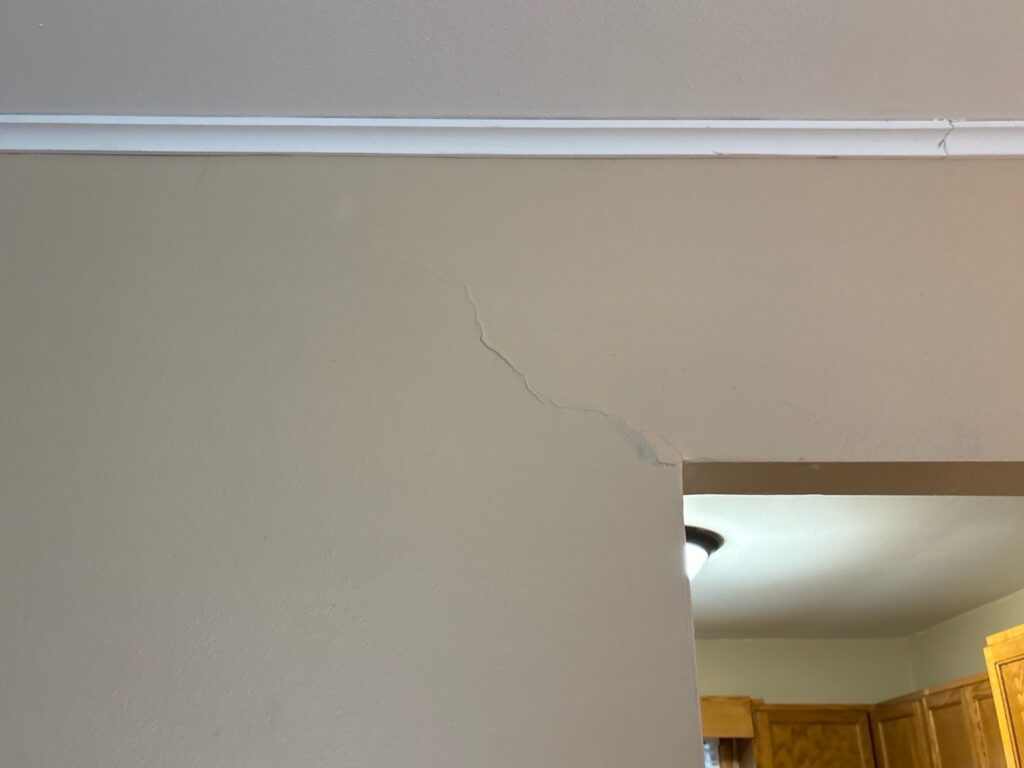
- Diagonal cracks from the corners of doors and windows. Openings concentrate stress, so small cracks often start at a corner. CMHC calls these stress cracks. One hairline crack is common; many wide ones in the same area are worth watching.
- Cracks along the ceiling-wall corner. Often from truss uplift (see below), especially if they open in winter and close in summer.
- Straight cracks along a seam. Usually a tape joint that has let go (see poor joints).
- Ceiling cracks in the middle of a room. Often a seam or framing movement; a crack with a sag, a stain or a bulge needs a closer look.
Popping fasteners: nail pops and screw pops
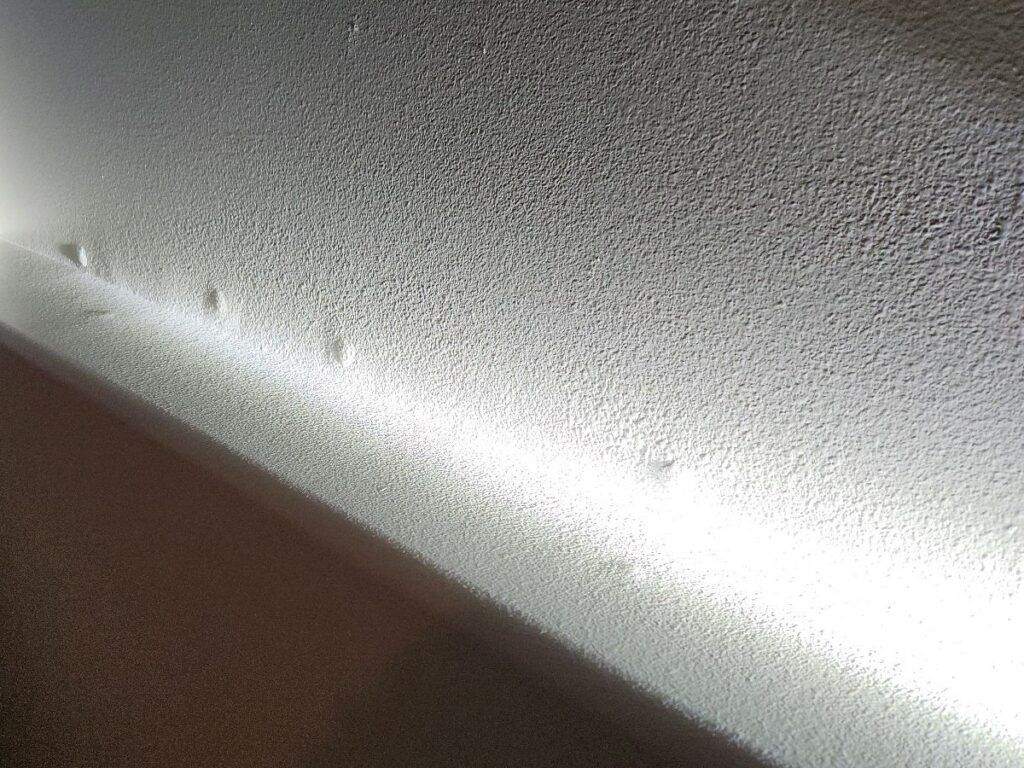
A popping fastener is a nail or screw head pushing through the paint as a small round bump or crack. According to CMHC, when a stud shrinks it pulls away from the drywall, and any later movement of the board makes the nail “pop.” Longer fasteners can make it worse because the shrinkage happens over more of the nail. Drywall expert Myron Ferguson, writing in the Journal of Light Construction, says it is not uncommon to have a dozen or so screw pops in an average house, and that pops can also come from insulation pushing on the board, structural movement or an impact. Our earlier post, Should You Be Worried When Screws Come Out of the Drywall?, covers the basics.
Poor joints: tape seams that crack, bubble or show
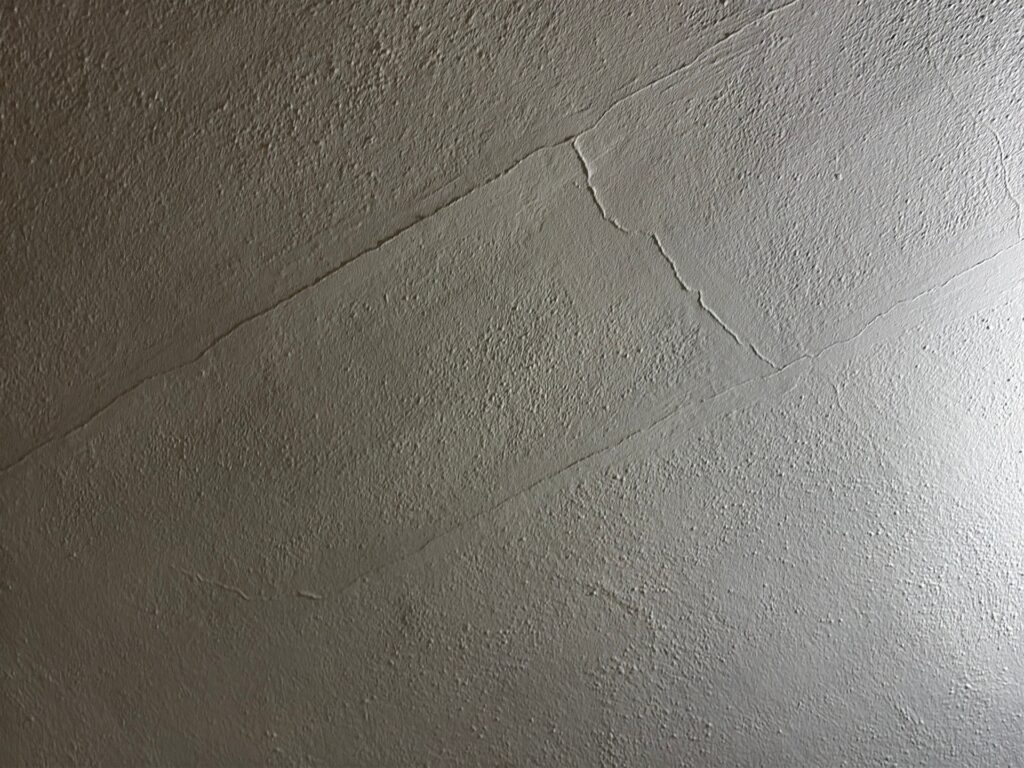
Drywall sheets meet at seams covered with tape and joint compound. When we note poor joints, the tape may be loose, bubbled or cracked, or the seam may show as a visible line or ridge. Causes include too little or too much compound, tape that was not bedded well, and movement in the framing. CMHC notes that piling too much compound in inside corners can lead to cracking there.
Truss uplift: cracks where the ceiling meets the wall
Many homes with roof trusses get a crack or gap where interior walls meet the ceiling. CMHC explains that the bottom of the truss sits in the warm attic insulation and dries out more than the top, so it can shrink more and bow upward, lifting the ceiling. These cracks typically open in winter and close in summer. Professional Roofing magazine describes truss uplift as more of a cosmetic problem than a structural one in most cases.
When drywall cracks point to a bigger problem
Most drywall cracks are not structural. We recommend a closer look when cracks:
- Keep getting wider, or come back soon after a careful repair
- Appear with doors or windows that stick, won’t latch or have uneven gaps
- Show up with sloping floors or matching cracks in the foundation
- Come with stains, sagging or soft drywall, which point to water rather than movement
Our posts on why foundations move in Fargo-Moorhead and 10 signs you may have foundation issues go into those signs. If a stain comes with the crack, see our guide to water stains on ceilings and walls.
What drywall cracks mean in an inspection report
When we note cracked drywall, common cracks, poor joints or popping fasteners, we are usually describing cosmetic wear and recommending repair by a qualified drywall finisher or painter. We also say when something looks like more than normal movement, such as many cracks in one area, wide or offset cracks, or other signs of structural movement, and recommend further evaluation in that case.
How to fix drywall cracks and nail pops
- Watch it first. Pencil a small mark at each end of the crack with the date. If it grows over a season or two, call a pro before patching.
- Reset popped fasteners. Drive a drywall screw into the framing an inch or two from the popped fastener to pull the board tight, then sink or remove the old fastener, cover with joint compound, sand, prime and paint. Don’t hammer a popped nail back in without adding a screw; it tends to pop again.
- Repair cracks with tape, not just filler. Open the crack slightly, embed tape (paper or mesh) in joint compound, feather two or three thin coats, then prime and paint. Compound or caulk alone usually cracks again.
- Re-bed loose tape. Cut out loose or bubbled tape, re-tape with fresh compound and finish the seam.
- Handle truss uplift differently. Re-taping the corner usually cracks again next winter. CMHC and the Journal of Light Construction suggest crown molding fastened to the ceiling only, so it slides over the wall as the ceiling moves, or having a drywall contractor detach the ceiling drywall near the wall so the corner can flex. CMHC warns never to drive wedges between trusses and walls; that can cause serious structural problems.
- Call the right pro. Cosmetic cracks: a drywall finisher or painter. Cracks that grow, sticking doors, sloping floors or foundation cracks: a structural engineer or foundation contractor. A foundation elevation survey can measure how level the floors are.
Drywall cracks: common questions
Are drywall cracks normal in a new or older house?
Yes, small ones are. New homes often get hairline cracks and nail pops in the first year or two as the framing dries. Older homes get them from seasonal movement. Width, growth and other signs of movement matter more than age.
What are common cracks in drywall?
Hairline cracks at door and window corners, along seams and at ceiling-wall corners. They are usually cosmetic and are repaired with tape, compound and paint.
What causes popping fasteners (nail pops) in drywall?
Mostly framing that shrinks as it dries, which leaves a gap between the stud and the drywall. Insulation pushing on the board, structural movement and impacts can also cause pops.
What does “poor joints” mean in a home inspection?
The tape seams between drywall sheets are cracked, loose, bubbled or visible. It is a finishing issue that a drywall finisher can repair.
What is truss uplift?
Roof trusses bowing upward in winter as their bottom chords dry and shrink, which lifts the ceiling and opens cracks where interior walls meet the ceiling. The cracks often close again in summer.
When should I worry about cracks in walls?
When they keep growing, return soon after repair, are wide or offset, or appear with sticking doors, sloping floors, foundation cracks or water stains. Have those evaluated by a structural engineer or foundation contractor.
Want a full look at your walls, ceilings and foundation? Schedule a homeowner inspection, or learn more about our home buyer’s inspection.
Sources
- Canada Mortgage and Housing Corporation. Drywall Application (Builders’ Series).
- Journal of Light Construction. What Causes Drywall Fasteners to Pop?
- Journal of Light Construction. Truss Uplift Solutions.
- Professional Roofing. Alleviating truss uplift.