

Window well covers are a small part of a house that do a big job. A basement window well without a cover is an open hole next to the foundation: a child, a pet or an adult can fall in, small animals get trapped in it, and snow can fill the well and block the basement window someone may need to escape through. A missing window well cover is one of the most common findings in our home inspections. The short answer: put a sturdy cover on every window well, choose one that opens easily from inside for any egress (escape) window, keep it clear of snow, and replace covers that are cracked, broken or don’t fit.
This guide explains why window well covers matter, what the code says about egress window well covers, how to choose one and what to do about a damaged cover.
Why window well covers matter
Fall safety. InterNACHI notes that window wells are often covered to prevent injuries and falls and to discourage small children, pets and wild animals from getting into the wells. An egress window well for a basement bedroom can be several feet deep, and covers matter most near walkways, decks and play areas. InterNACHI also advises teaching children to stay off window wells, even covered ones.
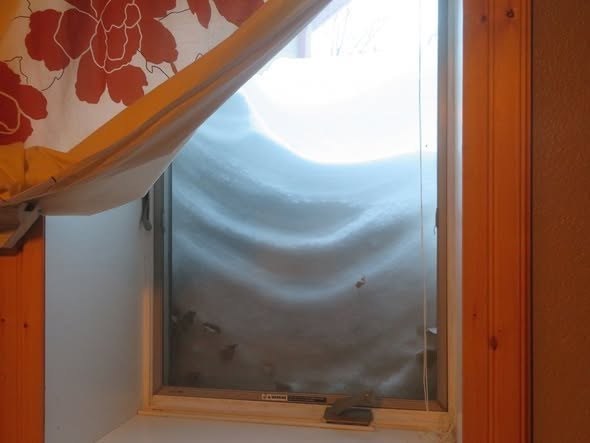
Keeping snow from blocking the escape window. In Fargo-Moorhead, wind can fill an open window well with snow all the way to the top, as in the photo below. A basement bedroom’s egress window is the way out in a fire, and a well packed with snow means the window can’t be opened or climbed through until someone digs it out from outside. A cover keeps the snow out of the well, so the escape route stays open all winter.
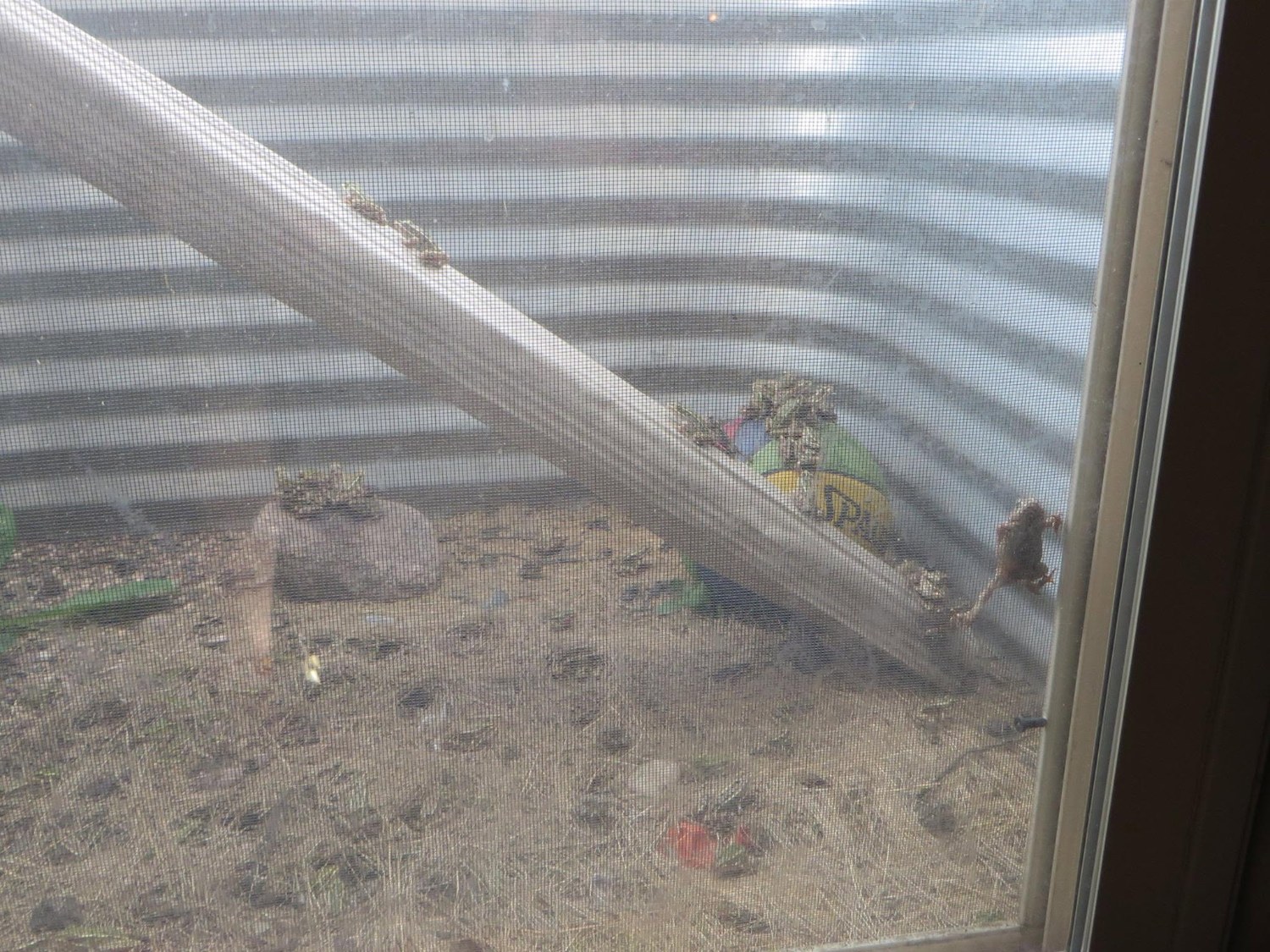
Keeping critters out. Toads, frogs, mice and other small animals fall into open window wells and can’t climb back out. The photo below shows toads stuck in a well that had no cover. A cover keeps them out of the well and away from the basement window.
Keeping water and debris out. University of Minnesota Extension calls window wells “a drain right next to the basement wall.” Snow, rain and leaves that fall into an open well end up against the foundation and the bottom of the window. InterNACHI notes that covers keep out twigs, grass, mulch and blowing snow, and a clear cover still lets light in. In Fargo-Moorhead, an open well can fill with drifted snow that melts against the window in spring.
Missing window well cover: what it means in an inspection report
When we find a missing window well cover, we note it in the inspection report and recommend installing a cover, especially at deep wells, at egress windows and near walkways. It’s usually an easy, inexpensive fix compared with the damage water or a fall can cause. We also look at the well itself: drainage, rust, gaps where it meets the foundation and debris in the bottom. If the well is rusting, our post on window well rust and anodic corrosion explains what to do.
Damaged window well cover
A damaged window well cover can be as much of a problem as a missing one. Look for:
- Cracks, holes or brittle plastic, often from sun, hail or someone stepping on it
- A cover that sags, has warped or no longer fits the well
- Broken or missing clips, so wind can lift it off
- A cover that is hard to lift or is fastened down at an egress window
Replace a cover that is cracked, sagging or doesn’t fit. A cover that can’t hold weight can give someone false confidence that it’s safe to step on.
Egress window well covers: what the code says
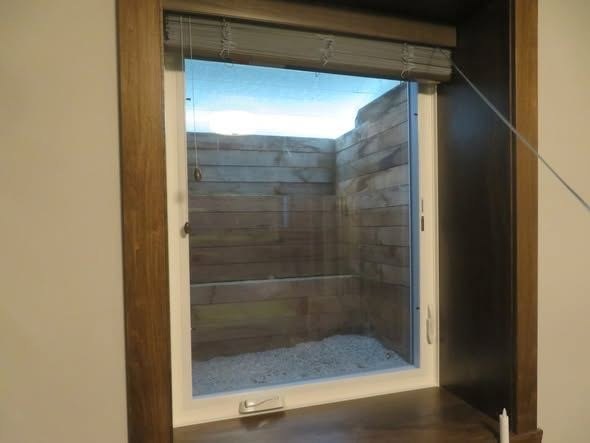
A basement bedroom needs an emergency escape and rescue opening, and a below-grade escape window needs a window well. Minnesota’s residential code, based on the International Residential Code (IRC), requires:
- Size. The well must be at least 9 square feet, with a horizontal projection and width of at least 36 inches.
- A ladder or steps when the well is more than 44 inches deep.
- Drainage. The well must drain, usually by connecting to the foundation drainage system.
- Covers that open from inside. Covers and grilles must be releasable or removable from the inside without a key, tool, special knowledge, or more force than it takes to open the escape window.
The Minnesota Department of Labor and Industry notes that the code does not require a fall guard at window wells, but homeowners should evaluate the potential for falls, and any guard must not get in the way of using the window. InterNACHI adds that a cover locked from the inside also keeps fire crews out.
Choosing window well covers
- Measure the well. Measure the width along the house and how far the well sticks out. Many wells need a custom size.
- Pick the type. Clear polycarbonate or plastic covers keep out snow, rain and leaves and let light in. Steel grates are strong but let snow and rain fall through; some people add a clear cover over a grate. InterNACHI notes covers can also be screened or barred for ventilation without letting pests in.
- Check the strength. InterNACHI cites a standard calling for covers to carry at least 40 pounds per square foot and open with no more than 30 pounds of force. Look for a cover rated to hold weight, not just to shed rain.
- Make egress covers easy to open. At an escape window, the cover must lift or release from inside without tools or keys. Try it from inside the well.
- Secure it to the house or the well with the clips or brackets made for it, so wind and snow can’t move it.
If a well is unusually large, deep or odd-shaped, a window well contractor can make a custom cover.
Keeping window well covers clear in winter
A cover only helps an escape window if it can be opened. InterNACHI warns that covers can block egress when they are covered in snow and ice, and that it’s the homeowner’s job to keep them clear. After a big snowfall, brush snow off covers at egress windows, and don’t pile shoveled or blown snow on them. In spring and fall, lift the cover and clear leaves and debris from the bottom of the well so it can drain.
Animals, insects and mice in open window wells
Besides the animals that get trapped, piled-up leaves in an open well give insects a damp place to live. If the basement window has gaps around its frame or a torn screen, mice in the well can find their way inside; the CDC notes that mice can get through a hole about 1/4 inch wide. A cover keeps most animals out of the well, and sealing gaps around the window keeps them out of the house. Our posts on a mouse in the house and how mice and rats get into your home cover the signs and fixes.
Keep water out of the window well
A cover is only part of keeping a basement dry. University of Minnesota Extension recommends:
- Gravel in the well, from the footing up to the window sill (3/8- to 3/4-inch coarse aggregate), with a drain tile extension from the footing to the base of the well.
- Downspout extensions that carry water at least 4 feet from the house.
- Soil sloping away from the foundation at least 1 inch per foot for 6 feet.
Our posts on clogged and leaking gutters and adding dirt around your foundation explain how.
Window well covers: common questions
Do window wells need covers?
The code doesn’t require them, but they’re strongly recommended. Covers help prevent falls, keep snow from filling the well and blocking an escape window, and keep water, leaves and critters out.
Are window well covers required for egress windows?
No, but if an egress window well has a cover, the code requires that it can be opened from inside without a key, tool, special knowledge or extra force.
Can you walk on window well covers?
Only if the cover is rated to carry weight. Many lightweight plastic covers are made to shed rain, not hold a person. Teach children to stay off them either way.
Why is there water in my window well?
Usually snow or rain getting in from above, a downspout or grading sending water toward the house, or a well that doesn’t drain. A cover, gravel in the well, downspout extensions and good grading all help.
What should I do about a damaged window well cover?
Replace it if it’s cracked, sagging, brittle or doesn’t fit. A damaged cover can let water in and may not hold weight.
Want a second set of eyes on your basement windows and wells? Schedule a homeowner inspection, or learn more about our home buyer’s inspection. Our post on smoke and carbon monoxide alarms covers the rest of basement bedroom fire safety.
Sources
- Minnesota Department of Labor and Industry. Emergency Escape and Rescue Openings (2020 Minnesota Residential Code)
- InterNACHI. Window Well Inspection
- University of Minnesota Extension. Moisture in basements: causes and solutions
- Centers for Disease Control and Prevention. How to Seal Up to Prevent Rodents