
Buying a house with mold sounds like a deal breaker, but it often isn’t. Mold is a common worry during home inspections, and what matters is not the word “mold” in the inspection report but how much there is, why it grew, and what it will take to fix the moisture behind it. This guide walks buyers and sellers in Fargo-Moorhead through what a home inspection can and can’t find, when mold testing helps, how to negotiate, what to ask about past mold remediation, and what North Dakota and Minnesota law says about disclosure.
Nordic Inspections · Fargo-Moorhead
Worried about mold in your home?
Tell us what you’re seeing, smelling or worried about and we’ll recommend the right next step. A preliminary mold inspection finds the moisture and the growth first, then adds air, surface or mycotoxin sampling only where it answers a real question.
Questions first? Call (701) 566-1446
Start here
Mold found during a home inspection?
- Check your deadline. Find the inspection or contingency deadline in your purchase agreement and work back from it.
- Find the water. Mold needs moisture. Ask what is wet, why, and whether it is still happening.
- Get the size and cause assessed by someone who doesn’t sell the cleanup.
- Put the fix in writing (repair, credit, price or walking away) before the deadline passes.
The short answer: you can buy a house with mold. Most mold problems in homes are fixable once the moisture source is found and corrected. The decision comes down to three questions: how big is the affected area, what caused it, and who will fix it, how and when. A careful look at the moisture is worth more than any single test.
Should you buy a house with mold?
Often, yes, as long as you know what you are buying. Mold grows where there is moisture, and the U.S. EPA puts it simply: the key to mold control is moisture control. A small patch of growth on a bathroom ceiling from a weak exhaust fan is a very different problem from mold behind finished basement walls after repeated water entry.
Size is the first clue. The EPA says that if the moldy area is less than about 10 square feet (roughly a 3 by 3 foot patch), most people can handle the cleanup themselves. If there has been a lot of water damage or the growth covers more than 10 square feet, the EPA points to its guidance for professional remediation.
The cause is the second clue. A fixed roof leak with a dry stain is not the same as a basement wall that is still wet. And the third clue is who lives there. If someone in your household has asthma, allergies, a weakened immune system or other health concerns, it is reasonable to set a stricter bar for how the home is cleaned up before you move in. Our post on who is most at risk from mold explains why, and a physician is the right person to advise on your own health.
What about “black mold”? The CDC says it is not necessary to determine what type of mold is growing in a home, and that all molds should be treated the same with respect to potential health risks and removal. The color doesn’t decide whether a house is a good buy. The amount of growth and the moisture behind it do.
Do home inspectors check for mold?
A standard home inspection is not a mold inspection. The American Society of Home Inspectors (ASHI) Standard of Practice, which many inspectors follow, says inspectors are not required to determine the presence of molds and mold-like substances, or environmental hazards in the air, water and building materials.
That doesn’t mean mold goes unnoticed. A good inspector looks at the places where water causes trouble (roofs, attics, plumbing, windows, basements, crawl spaces and grading) and reports stains, damp materials and visible suspected growth when they see them. When our inspectors find suspected mold or active moisture during a home inspection, they note it in the inspection report and can recommend a closer look.
What a home inspection can’t do is see inside walls, under carpet or behind stored belongings. The EPA notes that mold can hide on the back of drywall, wallpaper or paneling, under carpet and pads, inside walls around leaking pipes, and inside ductwork, and that a moldy smell with no visible source is one reason to suspect hidden mold.
What happens if mold is found during a home inspection?
Usually, the inspection report describes what was seen and where, and recommends further evaluation. From there, buyers have a few practical steps:
- Look at the moisture first. Is the area wet now, or is it an old stain? Moisture meters and thermal imaging help answer that.
- Size it up. Is it a small surface patch or something that runs behind finished walls, through an attic or across a crawl space?
- Decide whether testing would answer a real question. The EPA says that in most cases, if visible mold growth is present, sampling is unnecessary. The Minnesota Department of Health says it usually does not support mold testing as the first response, because many people asking for a test really need a thorough investigation into moisture problems and the damage they cause.
- Get a remediation scope or estimate if the problem is beyond a small cleanup, so you know what you are negotiating about.
Testing does have a place. Air or surface samples can help when hidden mold is suspected, when someone in the household is especially sensitive, or when you need to know whether a problem reaches beyond one room. Our guides to mold testing options and how to read mold test results explain what each test can and can’t show. There are also no EPA or other federal limits for mold or mold spores, so results are read by comparison, not against a legal pass number.
Mold in an inspection report and a deadline coming up? A preliminary mold inspection traces the moisture, sizes up the growth and samples only where it answers a real question, so you can negotiate with facts. Schedule a preliminary mold inspection.
Mold in the attic, basement or crawl space: what it usually means
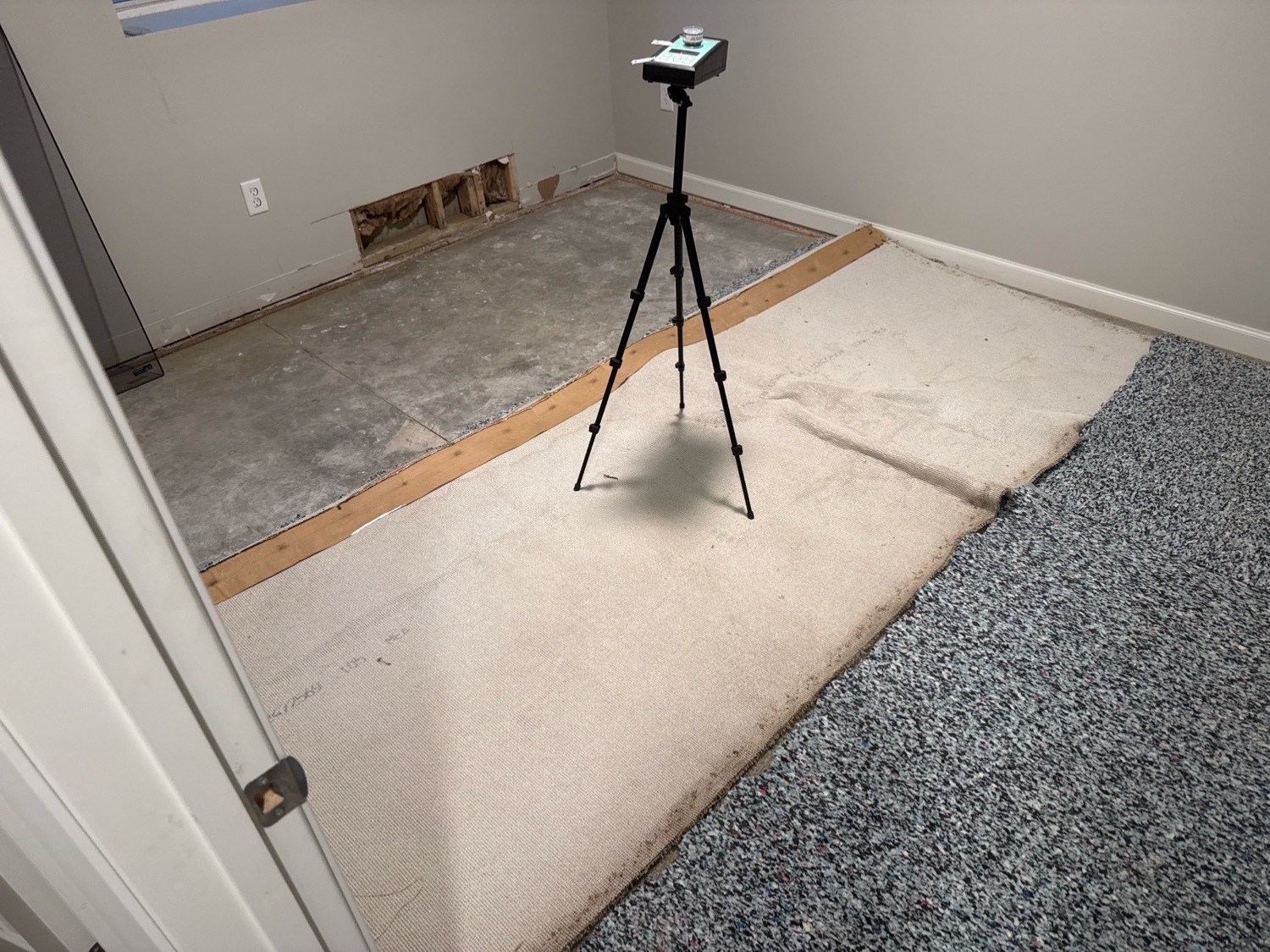
Attic. When an inspector finds mold on attic roof sheathing, the question is where the moisture comes from: a roof leak, or warm, moist air leaking up from the house into a cold attic and condensing. Bathroom fans that vent into the attic and unsealed attic hatches can both contribute. Our post on attic hatch air sealing covers one simple fix.
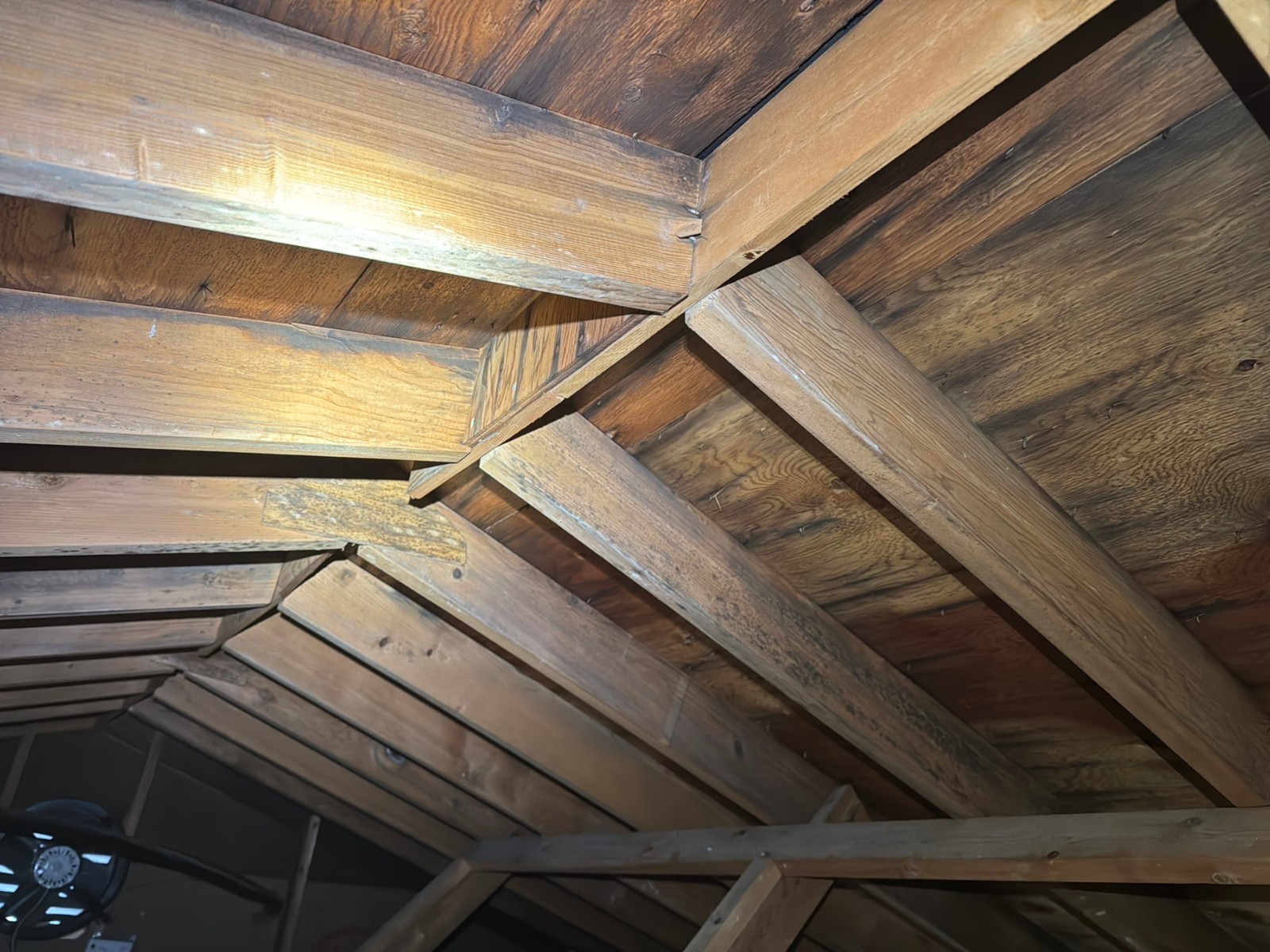
Basement. Basement mold usually traces back to water entry, high humidity or condensation on cold surfaces. Finished basements can hide it behind drywall and carpet. Our post on why mold grows in basements in Fargo homes explains the usual causes.
Crawl space. Crawl spaces combine soil moisture, little air movement and cool surfaces. Look for standing water, wet insulation and the condition of any vapor barrier on the soil.
In all three places, the fix that lasts is the moisture fix. The EPA recommends keeping indoor humidity below 60 percent, ideally between 30 and 50 percent, and drying water-damaged areas within 24 to 48 hours to prevent mold growth.
How to negotiate when buying a house with mold
Once you know the size and the cause, most buyers choose one of four paths. This is general information, not legal advice; your real estate agent or a real estate attorney can help with the wording and deadlines in your purchase agreement.
- The seller fixes it before closing. Ask for a written scope that names the moisture repair as well as the mold removal, a qualified contractor, and an independent check before the walls are closed or the sale closes.
- A credit or price reduction. This lets you control the work after closing. Base the number on a written estimate, not a guess.
- You fix it after closing. Reasonable for small, well-understood problems, as long as you know the cause.
- You walk away. If the problem is larger than you’re willing to take on, or the cause can’t be found, the inspection period is the time to decide.
Whichever path you take, watch for shortcuts: paint or sealant over mold, spraying instead of removing, and cleanup without a fix for the water. Our post on post mold remediation testing explains what good remediation looks like and how an independent check confirms it worked.
Should you buy a house that had mold remediation?
A past mold problem that was fixed well can be a non-issue. Ask the seller for:
- What caused the mold, and how the moisture source was corrected
- The remediation plan or scope, the contractor’s name and photos of the work
- Any post-remediation verification and lab results, ideally from someone independent of the remediation company
- Any later water events in the same area
Then have the area looked at again during your inspection. Old stains, a musty odor or damp readings in a “fixed” area are worth a closer look before you sign off.
Selling a house with mold
Can you sell a house with mold? Yes. But in both North Dakota and Minnesota, sellers of most homes must tell buyers in writing about known problems that matter. Here is what the two state laws say in plain words. Laws change, so check the current text and talk with your agent or a real estate attorney about your own situation.
North Dakota. Under North Dakota Century Code section 47-10-02.1, for most sales of homes with no more than four units, the seller must disclose in writing, before the final acceptance of the purchase agreement (unless the purchase agreement provides otherwise), all material facts the seller is aware of that could adversely and significantly affect an ordinary buyer’s use and enjoyment of the property. When a real estate licensee is involved, the disclosure form must cover latent defects, general condition, environmental issues, structural systems and mechanical issues, and the seller must complete it in good faith, to the best of their knowledge.
Minnesota. Minnesota Statutes section 513.55 uses similar words: before signing a sale agreement, the seller must disclose in writing all material facts they know of that could adversely and significantly affect an ordinary buyer’s use and enjoyment of the property. Minnesota also lets the seller and buyer waive the disclosure in writing (section 513.60), and a seller doesn’t have to repeat information that a qualified third party’s written report already gave the buyer, though the seller must still disclose known facts that contradict that report (section 513.56).
A few things help any seller:
- Fix the cause, not just the stain. Buyers and their inspectors look for moisture as much as mold.
- Keep the paperwork. Remediation plans, photos, moisture readings and an independent verification turn a scary word into a documented, finished repair.
- Consider a pre-listing inspection. Finding a problem before the house is listed gives you time to fix it on your terms. Our post on why a seller’s pre-listing inspection makes sense explains how it works, and do sellers need to fix everything a home inspector finds? covers what usually gets negotiated.
Selling a house after mold remediation
If the mold was professionally removed and the moisture source fixed, say so and show it. A buyer who sees the cause, the scope, before and after photos, and a passed independent check has far less reason to worry than one who finds fresh paint over an old stain. If the work was done years ago, a current look at the area can confirm it has stayed dry.
What we see from buyers. Over the years we’ve watched how buyers react when a seller discloses a past mold problem, and how the work was done makes all the difference. When the seller did the cleanup themselves and no follow-up air testing confirmed the home was back to normal (what the IICRC S520 remediation standard calls Condition 1), buyers get even more worried. When a third-party mold remediation contractor did the work, follow-up air testing confirmed the result, and it all comes in a clear report with the seller’s disclosure statement, buyers are rarely worried. Our post on post mold remediation testing explains what that follow-up check involves.
Experience you can check
Nordic Inspections has inspected homes in Fargo-Moorhead, North Dakota and Minnesota since 2010. Our mold work is led by Lars Knobloch, a Council-certified Indoor Environmentalist (ACAC CIE) and ASHI Certified Inspector who is also a certified radon measurement professional and radon mitigation specialist. Lars has provided litigation support on building defects and environmental problems, and our mold samples are analyzed by EMSL Analytical.
Nordic doesn’t remove mold, so our advice during a sale has no cleanup to sell. Our mold inspection and testing page explains how a preliminary mold inspection works, and the Mold Resource Center brings all of our mold articles together.
Frequently asked questions
Should I buy a house with mold?
Often you can, if you know the size of the problem, its moisture source and the plan to fix both. Small, well-understood problems are common and fixable. Large hidden growth, an unfixed water problem or a household member with serious sensitivities are reasons to slow down and get a closer look.
Do home inspectors check for mold?
A standard home inspection isn’t a mold inspection. The ASHI Standard of Practice doesn’t require inspectors to determine whether mold is present, but good inspectors report visible suspected growth and signs of moisture when they see them. A preliminary mold inspection goes further.
Is black mold a deal breaker?
Not by itself. The CDC says it isn’t necessary to identify the type of mold and that all molds should be treated the same for potential health risks and removal. The amount of growth and the moisture behind it matter more than the color.
Should I get a mold test before buying a house?
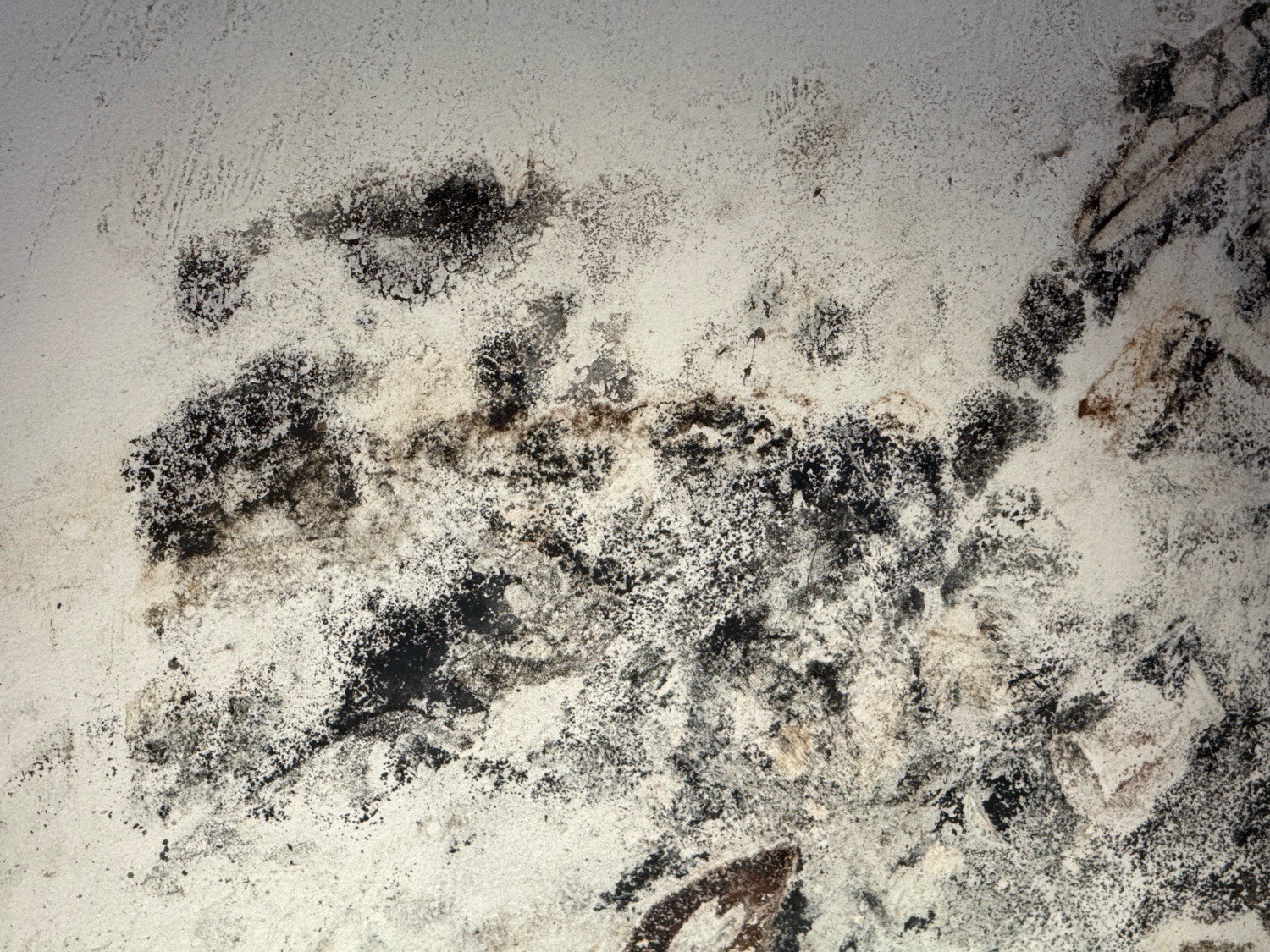
Not always. The EPA says sampling is usually unnecessary when mold is visible. Testing helps when hidden mold is suspected, when someone in the home is sensitive, or when you need to know how far a problem reaches.
Can you sell a house with mold?
Yes. In North Dakota and Minnesota, sellers must disclose in writing the material facts they know about that could significantly affect a buyer’s use and enjoyment of the home. Fixing the cause and keeping the paperwork makes a sale smoother. Ask your agent or a real estate attorney about your own disclosure.
Should I buy a house that had mold remediation?
It can be a good buy if the cause was fixed and the work was documented. Ask for the remediation scope, photos and any independent post-remediation verification, then have the area checked again during your inspection.
Sources
- U.S. EPA, A Brief Guide to Mold, Moisture and Your Home
- CDC, Facts About Stachybotrys chartarum
- Minnesota Department of Health, Testing for Mold
- American Society of Home Inspectors, Standard of Practice (General Limitations and Exclusions)
- North Dakota Century Code, section 47-10-02.1, Property disclosure (text via FindLaw; official code at ndlegis.gov)
- Minnesota Statutes, section 513.55, General disclosure requirements
- Minnesota Statutes, section 513.56, Disclosure not required
- Minnesota Statutes, section 513.60, Waiver