
People who live with Lyme disease, mast cell activation syndrome (MCAS) or a diagnosis of chronic inflammatory response syndrome (CIRS) often describe the same thing: they feel worse in certain buildings, and they want to know whether mold is part of the problem. The link between mold and Lyme disease, CIRS and MCAS is one of the most searched and most argued-about topics in the mold world. This article lays out what is well established, what is debated and what is still unproven, names the leading voices on each side fairly, and explains what you can do at home no matter which view turns out to be right.
Nordic Inspections · Fargo-Moorhead
Worried about mold in your home?
Tell us what you’re seeing, smelling or worried about and we’ll recommend the right next step. A preliminary mold inspection finds the moisture and the growth first, then adds air, surface or mycotoxin sampling only where it answers a real question.
Questions first? Call (701) 566-1446
Health note: This article is educational information from indoor environmental professionals, not medical advice. We don't diagnose or treat health conditions. If you have symptoms or health concerns, talk with your physician.
Living with Lyme disease, CIRS or MCAS? Start here
- Work with your physician on the whole picture. Fatigue, aches and brain fog have many possible causes, and both the CDC and UCLA Health physicians stress ruling them out.
- Fix the water first. Every view in this article agrees on one thing: a dry building is the goal.
- Have the home inspected, not just tested. A dust score or a single air sample can't tell you where the moisture is coming from.
- Keep the sensitive person out of cleanup work. Removing moldy material stirs up dust and spores.
Why these conditions keep coming up together
If you search for mold illness, you will quickly see Lyme disease, CIRS and MCAS mentioned on the same pages, often by the same clinicians. There are a few reasons for that.
First, the symptoms overlap. Fatigue, aches, trouble thinking clearly, headaches and sensitivity to smells or chemicals show up in all of these conversations. When symptoms are this broad, it is hard for anyone, patient or physician, to say which cause is driving them.
Second, the data does show the diagnoses appearing together. A 2024 study by CDC researchers looked at insurance claims from 2016 to 2022 for patients whose doctors had recorded a diagnosis code for mold exposure. In the commercial insurance group, 5.3% of those patients (574 people) also had a Lyme disease diagnosis, compared with far fewer patients without the mold code, an adjusted odds ratio of about 55. The pattern held in the Medicaid group too (Benedict et al., 2024).
That is a striking number, but it is important to read it correctly. The study does not say mold causes Lyme disease or makes it worse, and the authors do not offer an explanation for the overlap. They call their work exploratory and note that the mold code likely reflects patient-reported exposure. One possibility, which the study did not test, is that the same patients and clinicians tend to look for both. The overlap is real; the reason behind it is still unknown.
Third, many of these patients have been through a long search for answers. That experience deserves respect. It also makes clear, honest information more important, not less.
Mold and Lyme disease: what we know
Lyme disease is a bacterial infection spread by blacklegged (deer) ticks. It matters to readers here because Minnesota is a high-incidence state. The Minnesota Department of Health counted 3,551 probable cases in 2024 and reports that most cases involve likely tick exposure in east-central, north-central and southeast Minnesota (Minnesota Department of Health). Nationally, the CDC estimates from insurance data that about 476,000 people may be diagnosed and treated for Lyme disease each year (CDC).
Most people recover with a few weeks of antibiotics. Some do not feel well for a long time afterward. The CDC calls this post-treatment Lyme disease syndrome (PTLDS). Six months after treatment, fatigue, body aches and trouble thinking are 5 to 10% more common in people who had Lyme disease than in people who did not. The cause is not known, and similar long-lasting symptoms have been reported after other infections, including COVID-19 (CDC, Chronic Symptoms and Lyme Disease).
Two more points from the CDC are worth knowing. The CDC discourages the term “chronic Lyme disease” because it implies an ongoing infection when the cause of lasting symptoms is not known. And it notes that fatigue, aches and difficulty thinking have many possible causes besides Lyme disease, so working with a physician to look at all of them is important.
Where does mold fit? Here the evidence is thin. No controlled study has shown that Lyme disease or PTLDS makes a person more sensitive to mold, and none has shown that mold exposure causes or prolongs Lyme symptoms. What is reasonable to say is this: a person who is already worn down by a long illness has every reason to want a home that is dry, clean and free of mold growth, and that goal is achievable regardless of how the science settles.
CIRS: Dr. Ritchie Shoemaker’s view
Dr. Ritchie Shoemaker, a physician and author of the books Mold Warriors and Surviving Mold, is the best-known voice for chronic inflammatory response syndrome. A 2018 consensus statement led by Dr. Shoemaker describes CIRS as a multisystem, multi-symptom illness acquired after exposure to environmental biotoxins (Shoemaker et al., Internal Medicine Review, 2018).
That statement is also where Lyme disease enters his model. Besides water-damaged buildings, it lists other exposures it ties to CIRS, including toxin-producing algae blooms, certain contaminated fish, and illness that persists after confirmed acute Lyme disease despite reasonable antibiotic treatment, which it calls a post-Lyme form of CIRS. In other words, in Dr. Shoemaker’s framework, mold and Lyme disease are two different possible triggers of the same inflammatory illness. That is one reason the two topics travel together online.
His protocol screens for a list of 37 symptoms grouped into 13 clusters, used together with a visual contrast sensitivity test and blood work. We explain that checklist in more detail in who is most at risk from mold. The checklist is not a self-diagnosis tool, and the protocol’s own authors pair it with a physician’s testing.
Mainstream medicine has not accepted CIRS. In a December 2025 column, physicians at UCLA Health wrote that CIRS is not widely seen as an established medical diagnosis and that its diagnostic criteria, biomarkers and treatments all remain under research and debate. They also raised a concern that a focus on CIRS can delay other diagnoses, and listed conditions a conventional workup would check, including undiagnosed asthma, Lyme disease, sleep disorders and autoimmune conditions (UCLA Health, 2025). The American College of Medical Toxicology’s 2025 position statement goes further, saying there is no documented evidence that breathing fungi or mycotoxins indoors causes a chronic toxic brain illness, and calling unapproved tests and “detox” treatments medically inappropriate (ACMT, 2025).
There is one more tension we want to be open about. Clinicians who follow the Shoemaker protocol often ask patients to test their homes with ERMI or HERTSMI-2 dust tests. As building professionals, we don’t find those tests reliable for deciding whether a home is safe, and the EPA itself says ERMI is a research tool that has not been validated for public use (EPA ERMI fact sheet, 2021). We explain why in our article on ERMI and HERTSMI-2 mold tests.
MCAS: what the criteria say and why mold comes up
Mast cells are immune cells that release histamine and other chemicals during allergic reactions. Mast cell activation syndrome is a diagnosis for people whose mast cells release those chemicals too easily, causing episodes that can affect the skin, gut, breathing and heart rate.
In 2019, a work group of the American Academy of Allergy, Asthma and Immunology (AAAAI) published practical criteria for diagnosing MCAS. In short, they describe recurring episodes that involve at least two organ systems at the same time, a measurable rise in mast cell chemicals such as tryptase during an episode, and a response to medicines that block or calm mast cells. The authors wrote that they wanted criteria that diagnose most cases “without overdiagnosing the disorder” in patients who likely have other conditions, and they cautioned that some publications have greatly broadened the clinical criteria for MCAS (Weiler et al., AAAAI, 2019). The triggers the report mentions, such as hot water, alcohol, drugs, stress and exercise, do not include mold, and it calls the connection between such triggers and mast cell activation generally inconclusive.
Clinicians who treat many mold-sensitive patients see it differently. Dr. Tania Dempsey, a physician, writes in an article published by LymeDisease.org that “chronic mold exposure may also result in overactive mast cells,” leading to ongoing inflammation and histamine-driven symptoms (Dempsey, LymeDisease.org). Dr. Neil Nathan, a physician and author of Toxic, a book about mold toxicity, Lyme disease and chemical sensitivities, writes on his website that he wrote it after recognizing that, in his view, mold toxicity and Lyme disease had reached epidemic proportions (Neil Nathan, MD).
What is well established is narrower but still important: mold is a common allergen, and people with mold allergy can react to it. Whether mold exposure can cause MCAS, or makes existing MCAS worse in a way that goes beyond ordinary allergy, has not been shown in controlled studies. It remains an open question that many patients and their physicians take seriously.
Living with Lyme disease, CIRS or MCAS and wondering whether your home is part of the picture? A preliminary mold inspection looks for the water and the growth first, then samples only where it answers a real question. Schedule a preliminary mold inspection.
What everyone agrees on
It is easy to get lost in the disagreements. It helps to start from the points that mainstream bodies and patient-side clinicians share.
- Damp, moldy buildings are bad for health. The World Health Organization found that dampness and mold in buildings are linked to more respiratory symptoms, respiratory infections and worsening asthma (WHO, 2009). The Institute of Medicine found enough evidence to link damp indoor spaces to upper respiratory symptoms, cough, wheeze, asthma symptoms in people with asthma, and hypersensitivity pneumonitis in susceptible people (IOM, 2004).
- Some people are more vulnerable than others. The CDC notes that people with allergies, asthma, chronic lung disease or weakened immune systems are at higher risk from mold (CDC).
- The fix is the same. Find the water, stop it, and remove mold-damaged material properly. The ACMT statement, which is skeptical of CIRS, still says water damage or chronic moisture should be remediated as soon as possible.
- Symptoms deserve a full medical workup. Both the CDC’s Lyme guidance and the UCLA physicians stress looking at all possible causes. That protects patients from missing a treatable condition.
For a fuller look at what the research says about symptoms, see mold exposure symptoms and your health.
Making a home as safe as possible for a sensitive person
You don’t need to settle the scientific debate to protect someone you love. These steps help whether a person’s diagnosis is Lyme disease, MCAS, CIRS, asthma or simply a strong mold allergy.
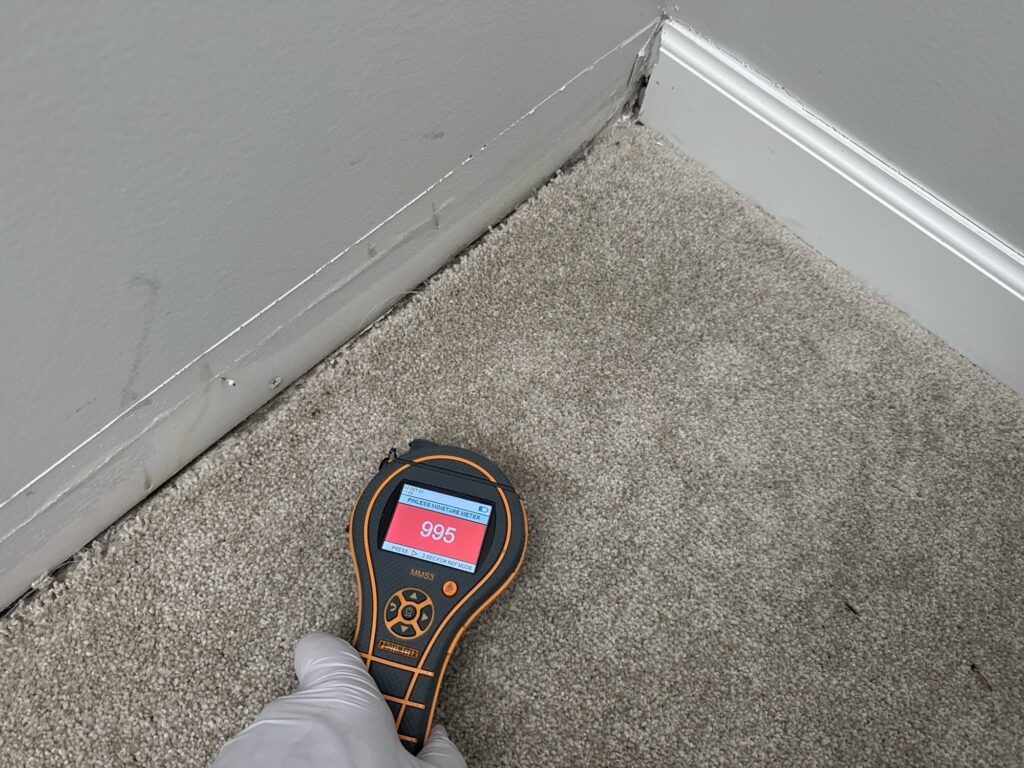
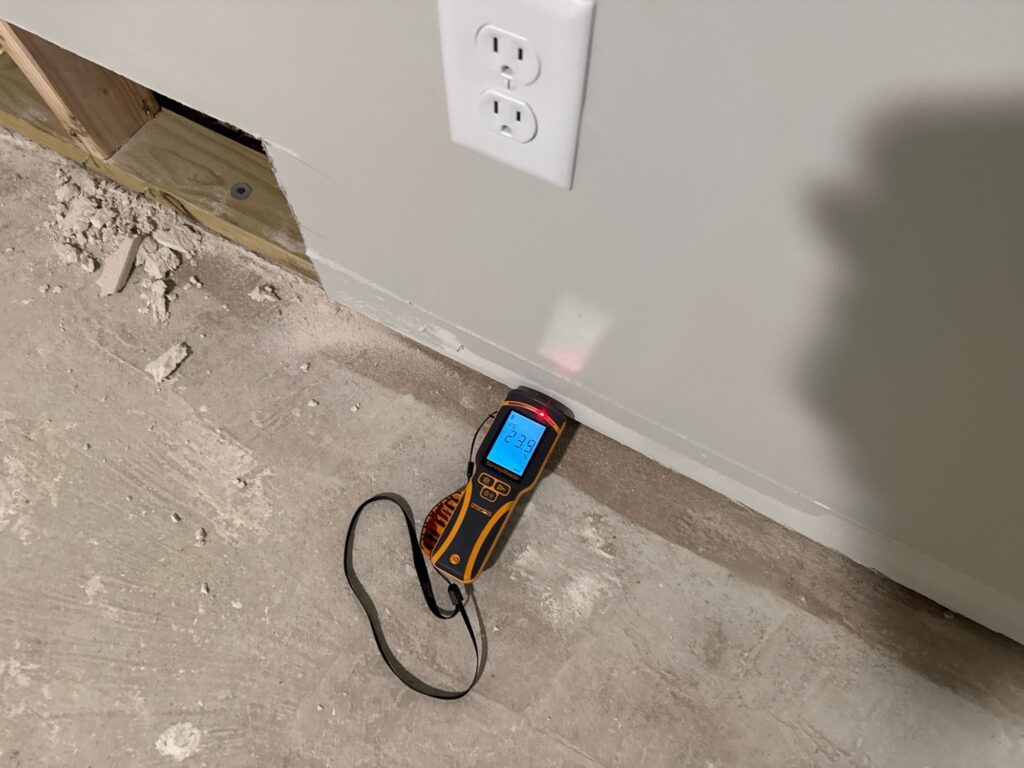
Left: a moisture meter reading in the red at the base of a wall. Right: checking drywall near the floor after a cleanup. Wet materials you cannot see are where hidden growth starts, so we measure before we sample, and a wall has to read dry before it is closed up.
- Stop the water. Fix roof, plumbing and window leaks, slope soil away from the foundation and extend downspouts. The EPA says to dry water-damaged areas within 24 to 48 hours to prevent mold growth (EPA mold guide).
- Keep humidity down. The EPA recommends keeping indoor humidity below 60%, ideally between 30% and 50%. In Fargo-Moorhead, basements are the usual trouble spot in summer; see why mold grows in basements in Fargo homes.
- Look before you sample. A careful visual inspection with moisture meters and thermal imaging finds hidden water that a single number can’t. Our guide to mold testing options explains when sampling helps and when it doesn’t.
- Remove, don’t just spray. Mold-damaged drywall, insulation and carpet usually need to be removed, not painted over or bleached. See should you use bleach and vinegar to kill mold.
- Keep the sensitive person away during cleanup. The EPA’s guide says you can usually handle a moldy area smaller than about 10 square feet yourself; larger jobs call for more care and often a professional. A sensitive person is best out of the work area, or out of the home, until cleanup is done and verified. Our mold remediation page covers what a proper job looks like.
- Verify the result. After remediation, an independent check confirms that the moisture source is fixed and the area is clean. For a sensitive person, a stricter cleanup target is often worth it.
- Keep up the basics. Run bathroom and kitchen fans, keep gutters clear, and check the basement after heavy rain and during spring thaw.
If a physician has asked you to test the home, tell your inspector what was requested and why. A good inspector will explain which tests can answer the physician’s question and which can’t, and will put the results in context. Nordic also offers airborne mycotoxin testing as part of a mold inspection; our article on mycotoxins in homes explains what it can and can’t tell you.
Our experience helping sensitive households
Nordic Inspections has served Fargo-Moorhead, North Dakota and Minnesota since 2010. Our mold work is led by Lars Knobloch, a Council-certified Indoor Environmentalist (ACAC CIE) and ASHI Certified Inspector who is also a certified radon measurement professional and radon mitigation specialist. Lars has provided litigation support on building defects and environmental problems, and our mold samples are analyzed by EMSL Analytical.
We don’t diagnose or treat illness, and we don’t take sides in medical debates. Our job is the building: where the water is coming from, where mold is growing, and whether it has been properly removed. We take every client’s concerns seriously, including those who have been told nothing is wrong, and we explain our findings in plain language in a written report that you can share with your physician.
The Mold Resource Center brings all of our mold articles together, and our guide to post mold remediation testing explains how to know a cleanup actually worked, which matters most for a sensitive person.
Frequently asked questions about mold and Lyme disease
Can mold cause Lyme disease?
No. Lyme disease is caused by a bacterium spread by blacklegged ticks. A CDC study found that mold-exposure and Lyme disease diagnoses often appear together in the same patients, but it did not show that one causes the other.
Does mold make Lyme disease symptoms worse?
That has not been shown in controlled studies. Some clinicians who treat Lyme patients believe mold exposure adds to their symptoms, and many patients report feeling worse in damp buildings. It remains an open question. Either way, a dry, mold-free home is a reasonable goal for anyone recovering from a long illness.
Is CIRS a real diagnosis?
CIRS is used by Dr. Ritchie Shoemaker and the clinicians who follow his protocol, but it is not an established diagnosis in mainstream medicine. Physicians at UCLA Health and the American College of Medical Toxicology have both questioned it. If you have been given this diagnosis, it is reasonable to ask your physician whether other causes have been ruled out.
Can mold trigger mast cell activation syndrome?
Mold is a known allergen, and some clinicians who treat MCAS believe chronic mold exposure can keep mast cells overactive. The AAAAI’s 2019 diagnostic criteria for MCAS do not list mold as an established trigger, and no controlled study has confirmed the link. Talk with an allergist or your physician about your own triggers.
What mold test should I get if I have Lyme disease, MCAS or CIRS?
Start with an inspection rather than a test. Finding and fixing moisture matters more than any single number. Air or surface samples can help answer specific questions, and our article on how to read mold test results explains what results mean. We don’t recommend relying on ERMI or HERTSMI-2 dust scores alone to decide whether a home is safe.
Should a sensitive person leave the home during mold remediation?
For anything beyond a small cleanup, it is usually wise for a sensitive person to stay out of the work area, and often out of the home, until the work is done and checked. Ask your physician what is right for you.
Sources
- Benedict K, et al. Health care use and health disparities associated with mold exposure diagnosis codes. J Allergy Clin Immunol Pract, 2024
- CDC, Chronic Symptoms and Lyme Disease
- CDC, Lyme Disease Surveillance and Data
- Minnesota Department of Health, Lyme Disease Statistics
- Shoemaker RC, et al. Diagnostic process for chronic inflammatory response syndrome (CIRS): a consensus statement. Internal Medicine Review, 2018
- UCLA Health, Ask the Doctors: CIRS not considered an established medical diagnosis, 2025
- American College of Medical Toxicology, position statement on mold-related inhalation exposures, 2025
- Weiler CR, et al. AAAAI Mast Cell Disorders Committee Work Group Report: Mast cell activation syndrome diagnosis and management. J Allergy Clin Immunol, 2019
- Tania Dempsey, MD, What’s the Connection Between Mold Illness and MCAS? LymeDisease.org
- Neil Nathan, MD, author website
- EPA, Technical Fact Sheet on the Environmental Relative Moldiness Index (ERMI), 2021
- EPA, A Brief Guide to Mold, Moisture and Your Home
- World Health Organization, Guidelines for Indoor Air Quality: Dampness and Mould, 2009
- Institute of Medicine, Damp Indoor Spaces and Health, 2004
- CDC, About Mold